At QAwerk, we test Android apps before release to detect policy and compliance risks that can block Google Play Store submission
Preparing an Android product for release is not only about functionality. Google relies heavily on automated checks that scan apps for permission misuse, outdated SDKs, privacy issues, and inconsistencies between declared and actual data collection.
Our QA engineers validate these areas before teams move to the Google Play app review, using Google’s own compliance checklist together with real-device testing. This helps product teams resolve technical risks early and avoid unexpected delays during release.
When Google Play Submission Gets Blocked


Your Result
Less time fixing rejections, more time growing your Android product.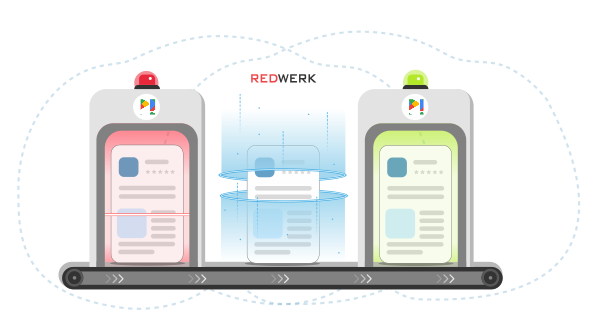
How We Test Google Play Compliance
Play Policy Compliance Audit
Before release, we analyze the Android product against official Google Play Store app submission requirements, focusing on permission usage, privacy disclosures, data transparency, and overall policy alignment. This early validation helps teams prepare for Google Play compliance before publishing.
Data Safety & Privacy Validation
Our QA engineers verify how the app collects, processes, and shares user data to ensure declared information matches real behavior. This prevents common privacy violations that frequently block teams during the Google Play Store app submission process.
Permissions Compliance Testing
Android apps often request permissions that trigger automated policy checks. We validate sensitive permissions, background activity, and SDK integrations to ensure the product meets Google Play Store compliance expectations before teams proceed with release.
Monetization Policy Review
Advertising and monetization flows are frequent rejection sources. We review ad placements, subscription transparency, and billing behavior to make sure the product aligns with Google Play compliance rules and avoids policy violations during review.
Metadata Verification
Our team checks descriptions, screenshots, permissions explanations, and store assets to ensure the listing accurately reflects the product. These validations help teams prepare a compliant Google Play app submission without misleading content that could trigger rejection.
Rejection Investigation
If the application fails the Google Play app review, we reproduce the issue, analyze policy feedback, and identify the root cause. Our QA engineers provide clear recommendations so teams can resolve compliance problems and proceed with publishing to Google Play Store faster.
Selected Mobile Release Cases
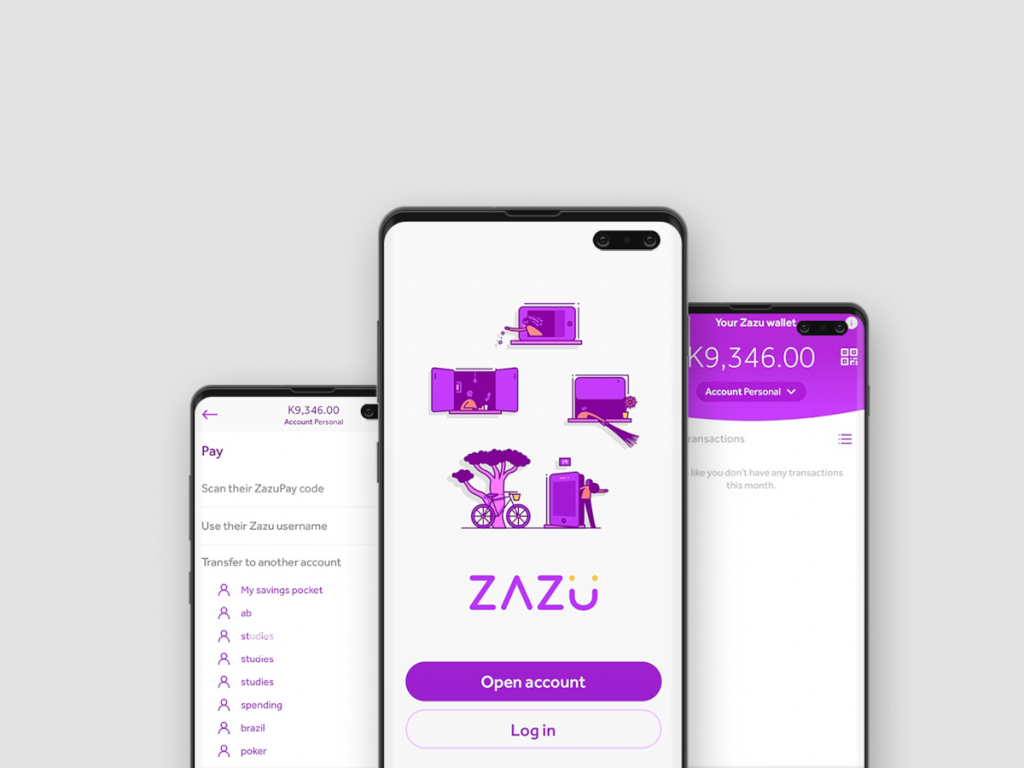
These projects show how our QA engineers prepare mobile apps for store releases by testing critical functionality, detecting compliance risks early, and helping teams launch stable products without delays during app store reviews.
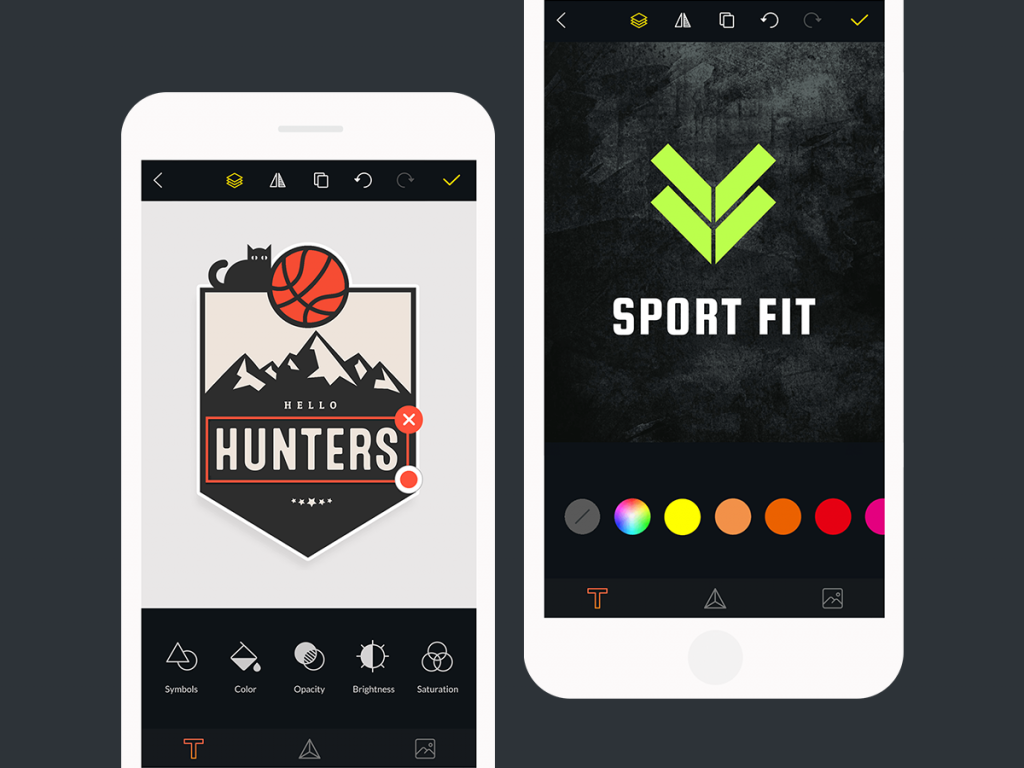
Logo Maker Shop
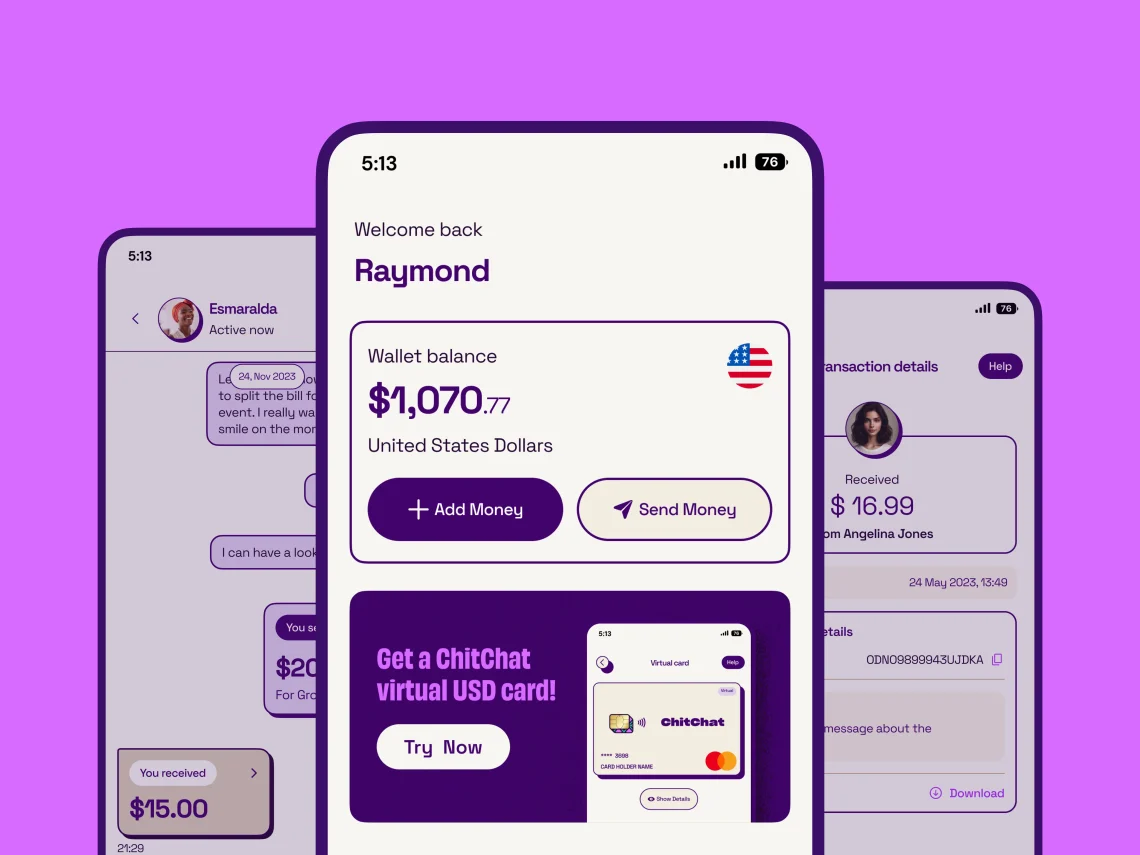
ChitChat
Zazu
Launch on Google Play without compliance surprises!
Contact UsWhen Google Play Compliance Testing Matters
First Android Launch
Launching an Android product for the first time means navigating Google Play Store app submission requirements. Teams often discover policy issues only after the first submission, which delays release and complicates the Google Play review process.
Sensitive Permission Apps
Android apps requesting storage, background activity, or location access often trigger automated policy checks. If these permissions are unnecessary or poorly explained, teams may struggle to publish an Android app without compliance issues.
Apps Using SDKs
Advertising, analytics, or payment SDKs can collect user data that isn’t properly disclosed. These mismatches frequently surface during the Google Play Store app review process, even when the product functions correctly.
Pre-Release Play Checks
Before publishing an app on Google Play, teams must verify privacy disclosures, metadata accuracy, and configuration settings. Early validation helps avoid unexpected problems during Google Play app submission and ensures smoother release timelines.
Why QAwerk for Google Play Testing
 Android Release Experience
 Android Release Experience
 Our QA engineers test Android products daily across different devices, OS versions, and release environments. This real-world experience helps teams avoid common pitfalls that appear when preparing apps for the Google Play review process.
 Google Policy Awareness
 Google Policy Awareness
 Google frequently updates its privacy, SDK, and data transparency policies. Our team continuously monitors these changes and applies them in testing practices to ensure apps align with current Google Play Store app publishing requirements.
Technical Compliance Focus
 Technical Compliance Focus
 Google Play relies heavily on automated checks during review. Our engineers test Android apps with this technical perspective, validating permissions, SDK behavior, and system interactions before teams submit an app to Google Play.
Independent QA Perspective
 Independent QA Perspective
 Compliance testing is performed by engineers who regularly test real mobile products. This independent QA view helps detect risks product teams might overlook when focusing only on development or internal testing.
Practical Fix Guidance
 Practical Fix Guidance
 When issues appear, teams need clear direction rather than vague policy references. Our engineers analyze compliance problems and provide actionable recommendations that help teams move forward with publishing to Google Play Store.
Predictable Android Releases
 Predictable Android Releases
 Combining Android QA expertise with compliance validation allows teams to prepare releases with fewer surprises. This approach helps products pass the Google Play Store app review process faster and reach users without repeated review cycles.

QAwerk is doing for us testing of our cloud platform. They also helped us in annotating images and videos for machine learning purposes. I like the way QAwerk approaches this; at the end, it's again, good people, interested, motivated to do things, and sometimes also achieving more than we expect.


QAwerk is proactive and helpful. QAwerk has conducted comprehensive manual and automated testing, including functional, regression, and usability testing, alongside automated tests covering a wide range of scenarios. They provided detailed bug reports with prioritization recommendations and worked with our team to solve them. Key deliverables include test plans, test cases, automated test scripts, and regular status updates.

The QAwerk team excels in testing complex systems, conducting reliable manual tests across different OS and browsers, and achieving full coverage with end-to-end automated tests. They consistently deliver high-quality work while meeting tight deadlines.

Technologies for Google Play Compliance Testing
Other Services We Provide
Mobile Applications Testing
We test mobile products across real devices, operating systems, and usage scenarios to detect stability, usability, and performance issues before release, helping teams launch reliable applications on Android platforms.

Android App Testing
Our QA engineers validate Android builds across device models, OS versions, and hardware configurations to ensure consistent functionality, stable performance, and reliable behavior across the fragmented Android ecosystem.
AI Testing
Applications powered by machine learning require careful validation of automated decisions and data flows. We test AI-driven functionality to ensure predictable behavior, accurate outputs, and stable performance under real-world conditions.
Accessibility Testing
Accessibility testing ensures applications remain usable for people with disabilities. We evaluate navigation logic, screen reader compatibility, and UI accessibility to support inclusive user experiences across Android devices.
Security Testing
Our engineers assess authentication flows, sensitive data handling, and external integrations to identify vulnerabilities that could compromise user privacy, application integrity, or overall platform security.
Dedicated QA Team
A dedicated QA team provides continuous product validation, release readiness checks, and long-term quality monitoring for companies shipping frequent updates and maintaining complex mobile applications.
FAQ
How to publish an app on Google Play Store?
To publish an app, you need a Google Play developer account, a production-ready Android build (APK or AAB), compliant store listing information, and completed policy declarations. Once uploaded through Play Console, the app enters the Google Play app review process, where Google evaluates privacy, permissions, and technical compliance before approval.
Why do apps fail Google Play review?
Most rejections happen because of privacy violations, incorrect permission usage, outdated SDK versions, or inconsistencies between declared and actual data collection. These issues are often detected during the Android app review, especially by automated policy checks.
What are the Google Play Store app submission requirements?
Google requires developers to provide accurate metadata, a privacy policy, clear data safety declarations, and compliant permission usage. Apps must also follow the official Google Play Store app submission guidelines related to security, user privacy, and functionality.
What are the Google Play Store app submission steps?
Developers typically create a Play Console listing, upload the build, configure testing tracks, complete the data safety form, and prepare the store listing before releasing the app publicly. Proper preparation helps avoid delays during the review stage.
Can compliance testing help before submitting an Android app?
Yes. Pre-release compliance testing helps identify policy violations, permission issues, SDK risks, and privacy inconsistencies before launch. Detecting these problems early reduces rejection risks and allows teams to release Android apps with fewer unexpected delays.
Related in Blog
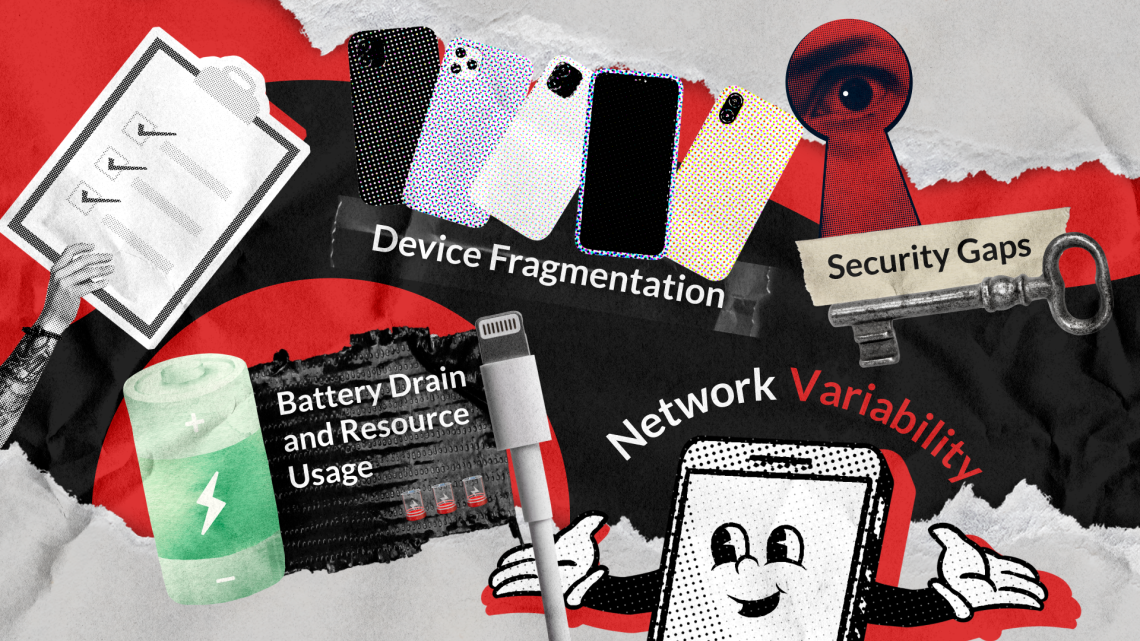
Top 7 Challenges in Mobile Testing and How to Solve Them
Quality mobile apps require constant vigilance. Developers face intense market pressure, along with an ever-increasing variety of devices and OS versions. As a mobile testing company, QAwerk has helped improve over 300 products used by 100+ million people worldwide. We know first...
Read More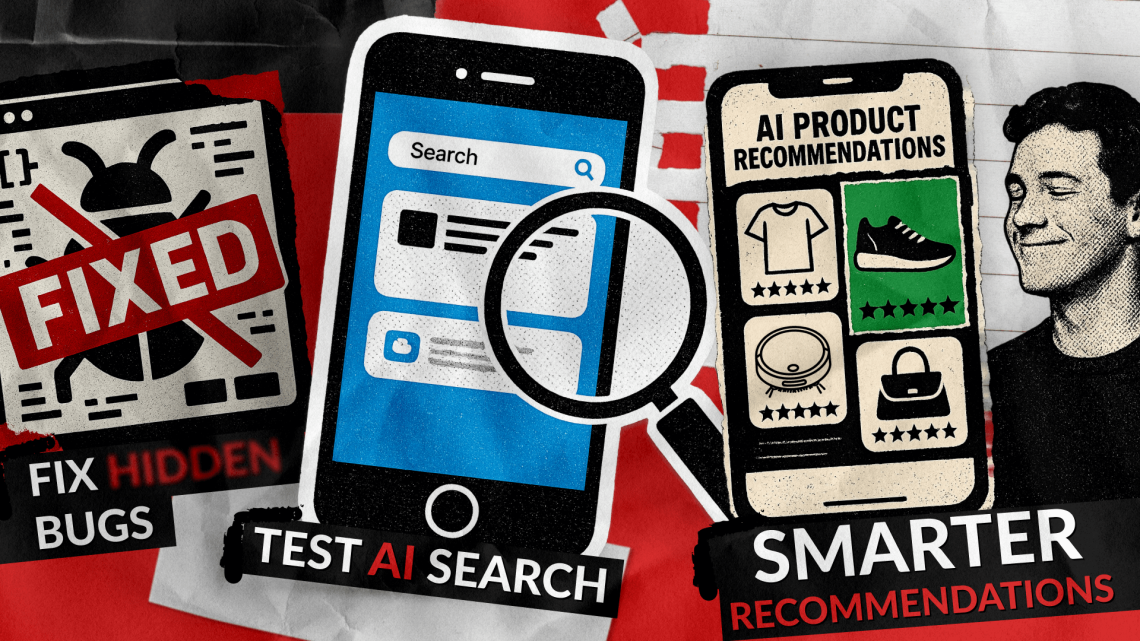
Testing AI Search & Recommenders: How to Avoid Confusing or Frustrating Buyers
Testing AI search and recommenders is critical to delivering a seamless user experience that engages rather than annoys buyers. Poorly configured AI search engines and ineffective AI recommender systems can frustrate users with irrelevant results, confusing navigation, or overly ...
Read More
What Are the Stages of Software Testing?
Software testing isn’t just a box to tick before launch—it’s a strategic process that scales with your product. If you miss the right testing phase, there’s a risk of bugs in production, slipping deadlines, or burned-out teams chasing last-minute fixes....
Read More
Mobile App Testing Checklist: The Ultimate Guide
Welcome to the era of demanding users. With toddlers’ attention spans and endless choices, delivering a seamless app experience is crucial. Only 9% of users stick around if an app doesn’t meet their needs quickly. Moreover, 90% of users have abandoned apps due to poor perform...
Read MoreLaunch Your Android App with Confidence
We identify compliance risks early, validate permissions and privacy behavior, and help teams release Android apps without unexpected issues during store review.
300+
APPS TESTED500+
COMPLIANCE REQUIREMENTS ANALYZED30+
SENIOR QA ENGINEERS50+
TESTING METHODS USED