
Sitch





Sitch, founded by veterans from Bumble and Snap, is an AI dating startup that blends smart tech with a personal touch. Every user application is reviewed by real people, and the AI matchmaker itself is built on insights from a co-founder’s three-generation family legacy in matchmaking.
All CustomersiOS App Testing
Our testing focused on guaranteeing a stable and consistent experience across all iPhone models. A critical part of our work was validating native iOS features, like the proper handling of location and gallery permission prompts, and ensuring push notifications were reliable.
Learn moreManual Testing
Our QA engineers carefully tested how the AI handled conversations. We made sure payment processes worked smoothly and found important issues in the onboarding and chat features. This helped Sitch deliver an app that meets the standards of its premium business model.
Learn moreIntroduction
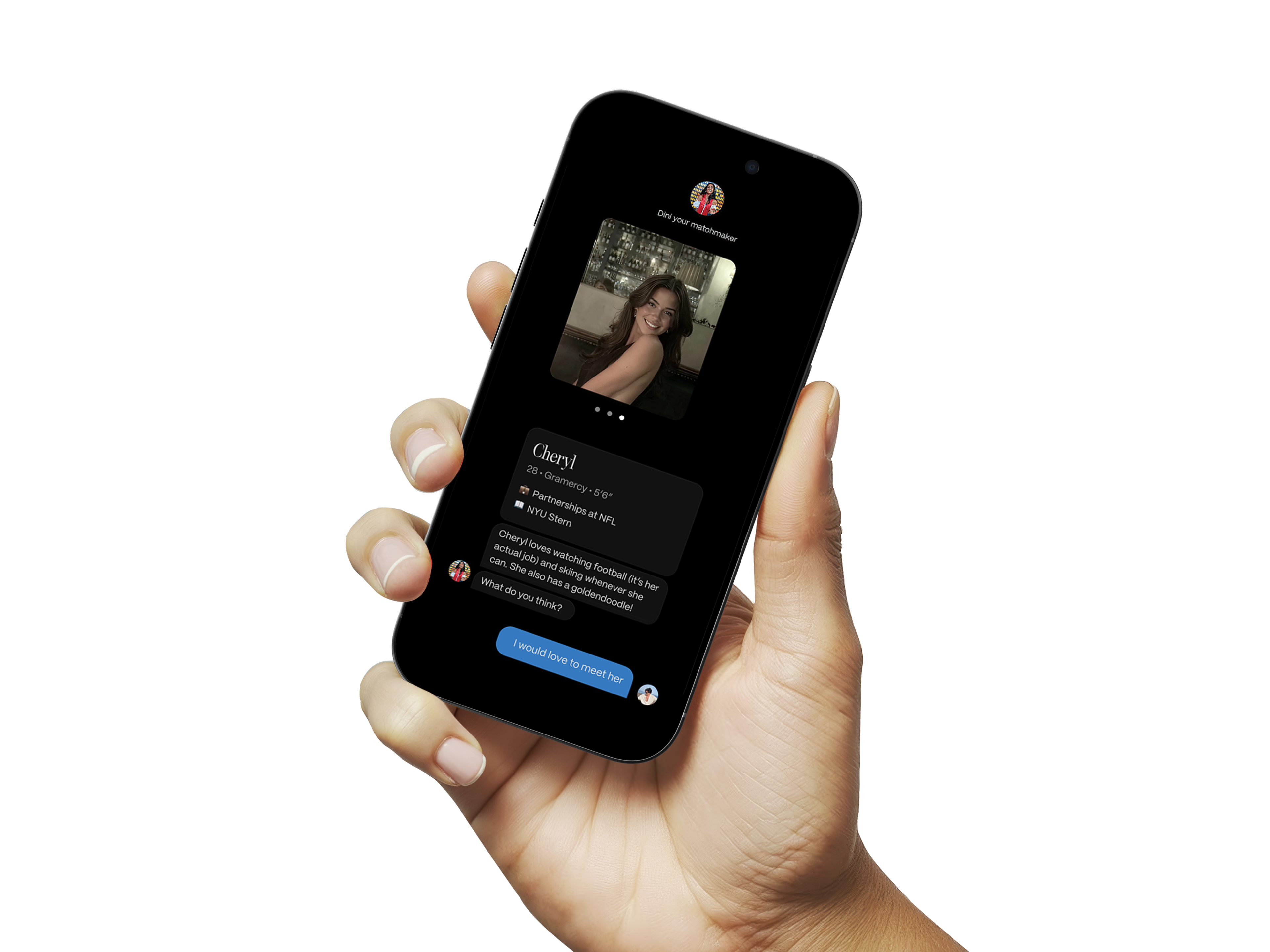
Sitch is an AI-powered dating app acting as a personal digital matchmaker. Instead of casual swiping, users get matched through an AI chatbot trained by a human matchmaker for deeper compatibility, targeting those serious about finding a partner and looking for a more thoughtful process.
The experience starts with in-depth onboarding, where the AI asks questions to understand a user’s values, priorities, and past dating experiences. The app chats with you like a friend to learn about you and your ideal partner. Using these answers, the AI suggests matches. If two users agree to be introduced, the AI places them in a group chat, much like a mutual friend would. The app uses a pay-per-setup model, charging users for successful introductions instead of a subscription.
Challenge
Five months after their soft launch, Sitch was gaining traction but also accumulating negative user feedback. As a developer-focused team, they lacked a structured quality assurance process, which led to bugs and usability issues slipping into the live app. Sitch partnered with QAwerk to establish an effective testing program from the ground up, aiming to transform the user experience and stabilize the product.
By the end of our partnership, Sitch wanted to achieve several key outcomes:
- Dramatically Reduce Negative Feedback: The primary goal was to improve user satisfaction by identifying and eliminating the bugs and frustrating user flows that were causing poor reviews.
- Establish a Robust QA Process: Implement a structured and efficient testing workflow that could be integrated directly with their development cycle, ensuring no new feature or fix would introduce new problems.
- Ensure Flawless Core Functionality: Guarantee that essential features, like the AI-powered onboarding, profile creation, chat, and matching, were intuitive, stable, and worked perfectly every time.
- Achieve Consistent Cross-Device Performance: Deliver a seamless and visually polished experience for all users, regardless of their iPhone model, iOS version, or network conditions.
Solution
Our approach was to embed a comprehensive and multi-layered QA strategy directly into Sitch’s development process. We focused on several types of testing, each chosen to address the unique challenges of an AI-driven, premium iOS dating app.
Functional Testing
We conducted functional testing of all critical user flows. This included validating the entire onboarding quiz, testing the profile creation and editing in the “What makes you you” section, and ensuring the account deletion process was smooth. We also rigorously tested the chat and payment screen options for new users. Our team proactively triaged issues, retested critical bug fixes, and reported new bugs we discovered along the way.
Why it matters: For an app like Sitch, core functions define the entire user journey. If a user can’t complete their profile, chat with a match, or understand the AI’s suggestions, the app fails. We needed to ensure every user path was logical, intuitive, and stress-free.
AI Testing
We performed AI testing on the AI-powered chat and onboarding quiz. Our team validated the AI’s tone and content relevance, ensuring responses were appropriate and helpful. We also ran tests to find logic flaws, such as looping or repeated questions in the quiz, to guarantee the user’s interaction with the AI was always coherent and effective.
Why it matters: Sitch’s core value proposition is its AI matchmaker. If the AI’s conversation is repetitive, irrelevant, or illogical, it breaks the user’s trust and devalues the entire “human expertise” promise. This testing was essential to ensure the AI felt intelligent and personalized.
Regression and Pre-Launch Testing
Before each release, we performed extensive regression testing on all core flows: registration, onboarding, chat, setups, and payments. For major rollouts, like the Chicago pre-launch, we executed a comprehensive checklist. This included validating market-specific copy, testing subscription pricing for the new region, verifying that referral links and analytics events were firing with the correct market identifiers, and ensuring deep links from push notifications routed users to the correct screen.
Why it matters: As Sitch’s developers fixed bugs and added new features, it was critical to ensure these changes didn’t inadvertently break existing functionality. Regression testing acts as a safety net, protecting the user experience from unintended consequences with each new app build. This became even more important when launching in new cities, where a single bug could derail the entire market expansion.
Compatibility and Permission Testing
We performed compatibility testing across various network conditions, simulating poor, unstable, and nonexistent internet connections to ensure the app remained responsive and didn’t crash. We also tested on different devices to guarantee UI elements like padding and text blocks displayed correctly on both large and small screens. Finally, we verified that crucial app permissions for the gallery, location, and notifications worked as expected.
Why it matters: Dating app users are on the move. They switch between Wi-Fi and cellular data, travel through areas with poor reception, and use a wide range of iPhone models. The app must be resilient to these changes, providing a stable experience whether the user has a perfect connection or a single bar of service.
UI Testing
Our team meticulously examined every screen to ensure a consistent and high-quality user experience. We identified and flagged issues like incorrect padding on smaller phones, awkwardly sized summary blocks, and misaligned information on profile preview screens. This focus on detail ensured the app looked and felt professional on any device.
Why it matters: The world of dating apps is quite competitive, making visual appeal and ease of use non-negotiable. A confusing or clunky interface can cause a user to abandon the app before the AI even has a chance to work its magic. The experience needs to feel polished, modern, and intuitive.
Exploratory Testing
After each release and after regression testing was complete, our team performed manual exploratory testing. We intentionally deviated from standard user paths, trying unusual combinations of actions, testing referral link edge cases, and stressing the app to uncover hidden bugs, usability gaps, and potential crash scenarios that scripted tests would miss.
Why it matters: Scripted tests confirm that functionality works as expected, but exploratory testing uncovers problems you weren’t looking for. For a high-end app, hidden bugs and usability frustrations are unacceptable.
Bugs Found
Most of the detected bugs centered on the onboarding flow, chat functionality, and payment processing. While minor issues were found in profile display and admin synchronization, the majority of blockers directly impacted user registration and setup completion.

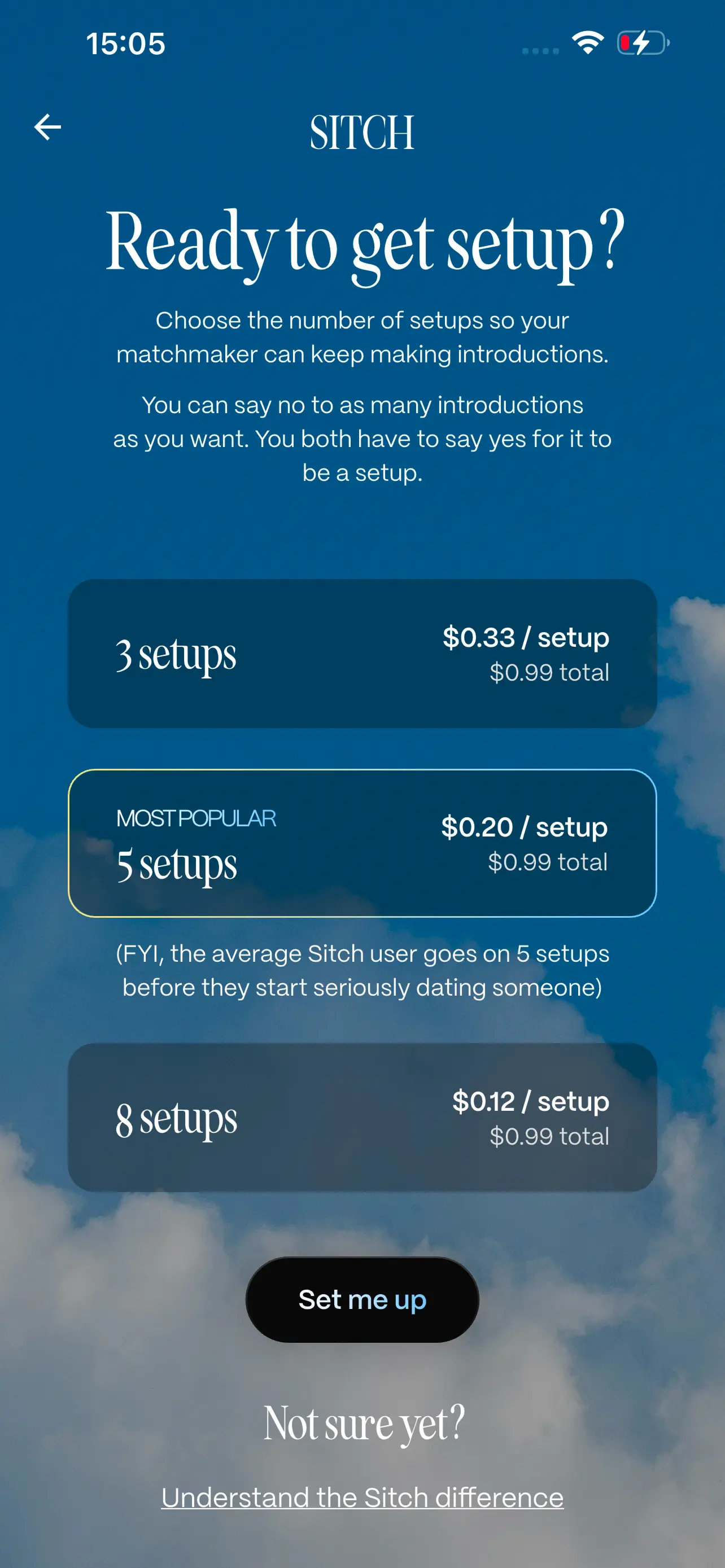
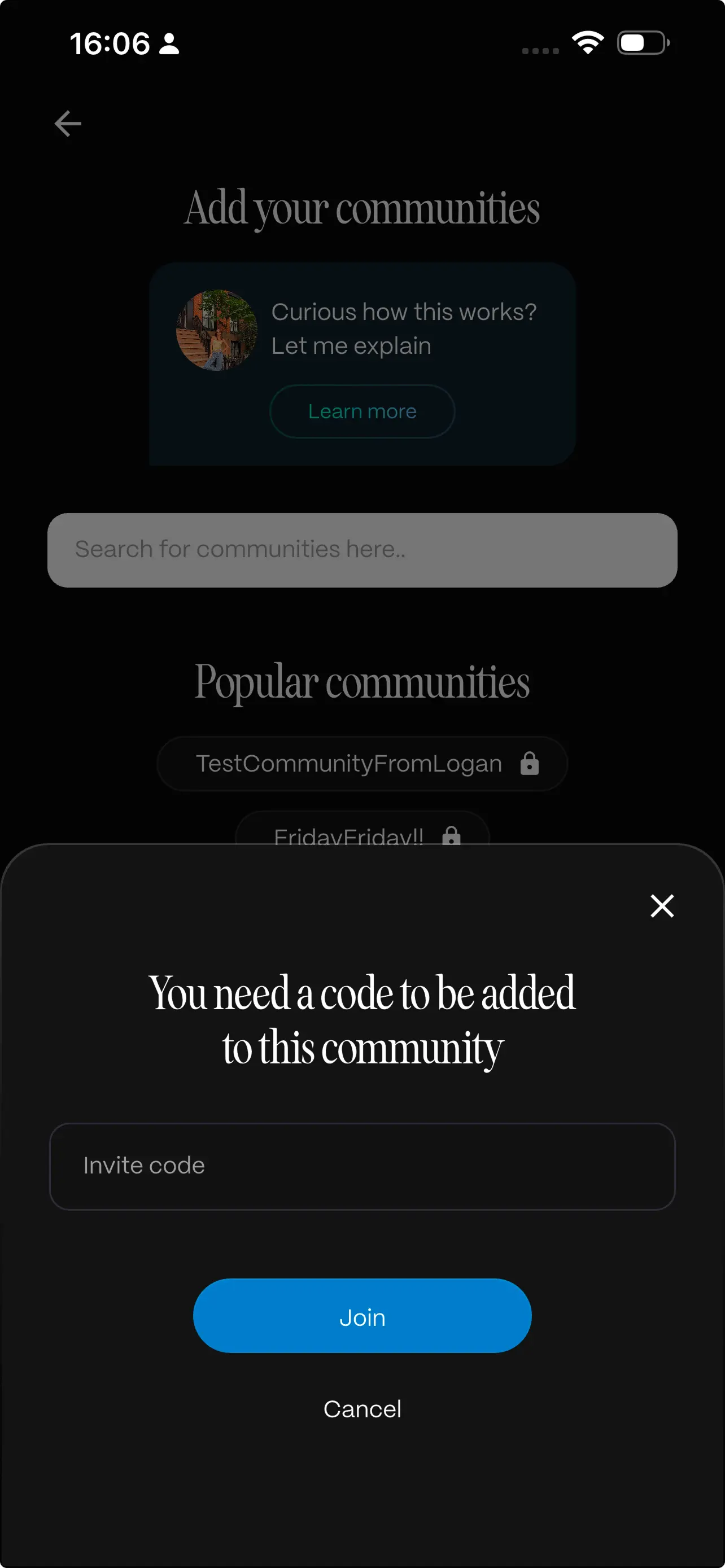
Actual result: The user taps the button but is unable to proceed; an error occurs and blocks the payment flow.
Expected result: Tapping the “Become a Member” button should immediately trigger the native Apple Pay pop-up.
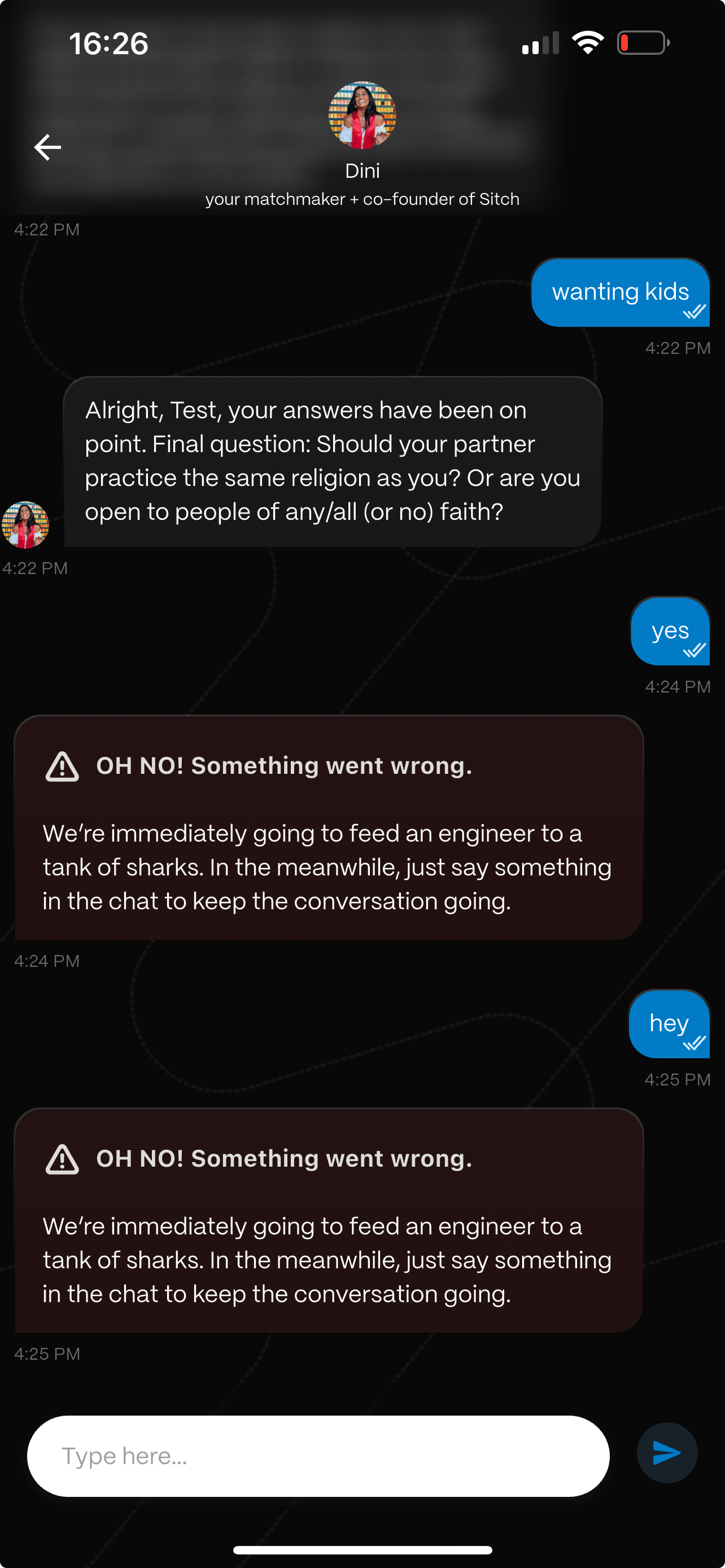
Actual result: After submitting the quiz, the app displays the error message: “OH NO! Something went wrong. We’re immediately going to feed an engineer to a tank of sharks…” The summary profile is not generated, and the quiz flow is interrupted.
Expected result: After submitting the quiz, the app should successfully generate the user’s summary profile and transition to the next screen or a confirmation view.
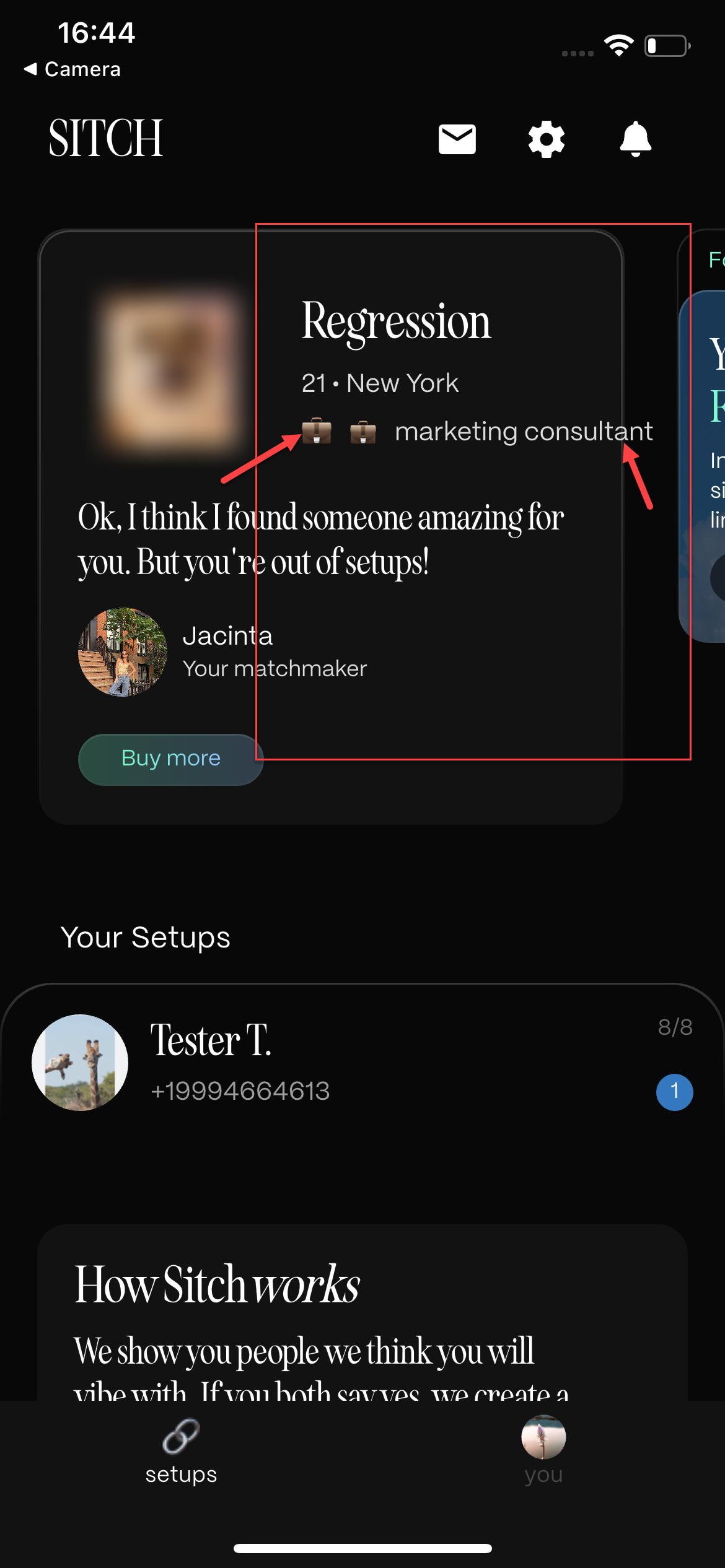
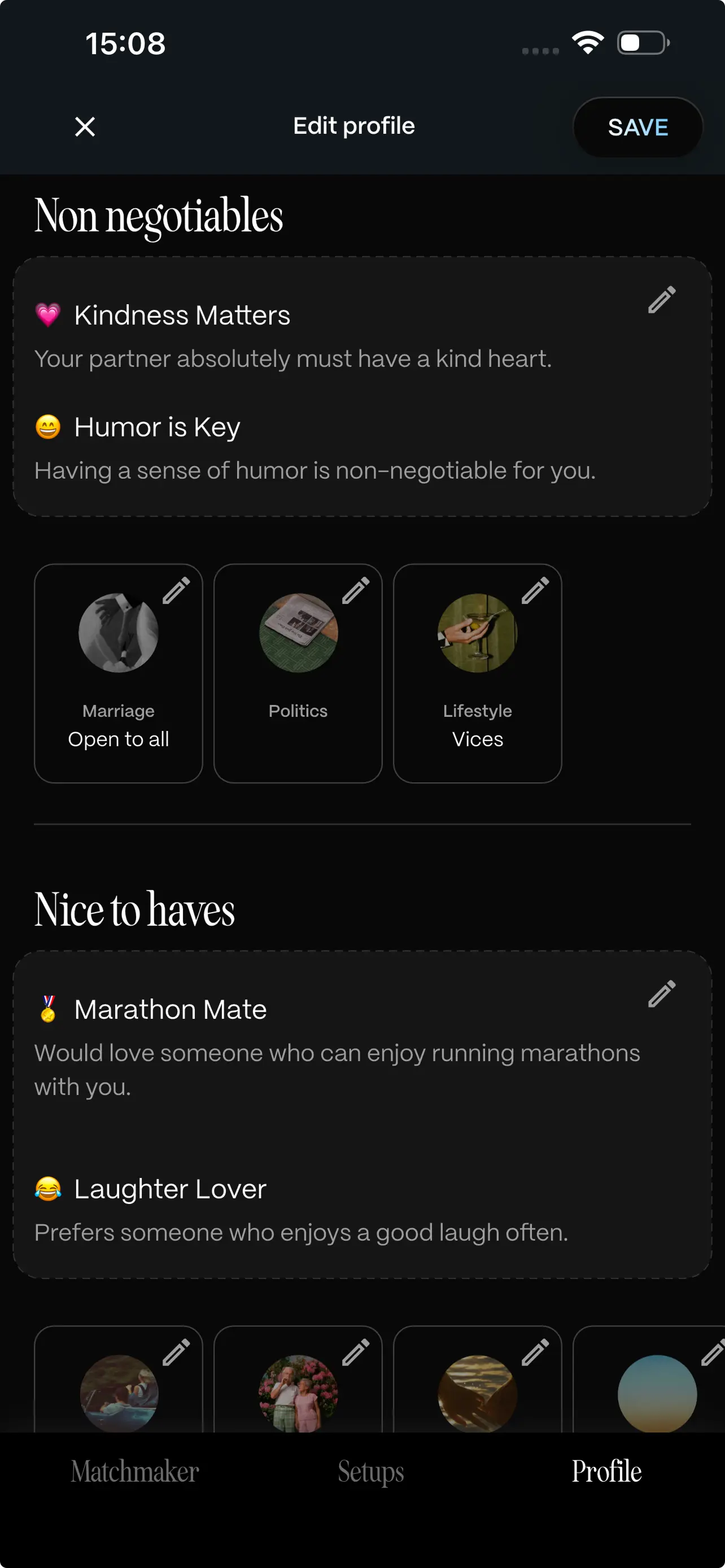
Actual result: The job title text overflows the profile card boundaries. Additionally, two suitcase emojis are displayed before the job title.
Expected result: The job title should be properly contained within the profile card boundaries without overflowing. Only one suitcase emoji should be displayed before the job title.
Result
Our collaboration transformed Sitch from a promising app with technical issues into a stable, polished product ready for the spotlight. By establishing a robust QA foundation, we eliminated the bugs and user friction that had caused negative feedback, paving the way for steady, sustainable growth.
The impact of this newfound stability was immediate and significant:
- Flawless Market Expansion: With a reliable app, Sitch confidently expanded from its initial NYC market to Los Angeles, San Francisco, Chicago, and Austin. On the Chicago launch day alone, more than 3,000 singles joined Sitch, making it their biggest launch yet. This success demonstrates how professional QA allows teams to focus on growth rather than technical fires. Sitch now boasts tens of thousands of users and has a clear roadmap for further US expansion and global availability by 2030.
- Accelerated Feature Innovation: A stable codebase gave the Sitch team the freedom to innovate. They are now rolling out a cutting-edge, voice-based AI onboarding experience. This feature would have been impossible to implement effectively on an unstable platform.
- Positive Public Reception and Media Buzz: Unlike its soft launch, Sitch’s official release was a resounding success. The app’s quality and unique matchmaking approach earned it features on The Drew Barrymore Show and in top-tier publications like CNBC, TechCrunch, Business Insider, and The New York Times.
- Foundation for Sustainable Growth: Our partnership gave Sitch a scalable QA process, not just bug fixes. The app now flawlessly handles over 20,000 AI-powered introductions daily across 4 US cities and is set for nationwide and worldwide expansion. Since our partnership, Sitch has been doubling its users monthly, and we’re confident those numbers will keep growing.

In Press
“Sitch aims to take a more thoughtful approach with its onboarding process and uses large language models (LLMs) to bring a human matchmaker’s expertise to the dating app experience, helping people find potential matches without swiping.”

“Sitch is live in New York, San Francisco and Los Angeles. Many of the users report that working with an AI matchmaker has been a more positive experience compared to using a traditional dating app.”

“Starting this week, Sitch is rolling out a voice-based AI onboarding experience for new users as the app plans to expand into more US cities.”

“AI matchmaking startup Sitch has secured $6.7 million in pre-seed and seed funding as it expands its pay-per-setup dating service to tens of thousands of users across New York, San Francisco, and Los Angeles.”

Need expert QA before your big launch?
Let’s talkTools
 TestFlight
 Jira
Jira Notion
 Figma
Figma Google Sheets
 Confluence
 Slack
SlackQAwerk Team Comment

Maryna
QA Engineer
Testing the AI-driven onboarding was less about simple pass/fail checks and more about validating the entire user flow. I spent a lot of time testing the logic of the quiz chat and various payment screen options, as any friction in these critical paths would directly impact user conversion and the app’s premium model.

Related in Our Blog

Testing AI Search & Recommenders: How to Avoid Confusing or Frustrating Buyers
Testing AI search and recommenders is critical to delivering a seamless user experience that engages rather than annoys buyers. Poorly configured AI search engines and ineffective AI recommender systems can fru...
Read More
From MVP to Maturity: QA Strategies for Testing AI Models at Every Stage
Developing custom AI models or integrating existing ones into digital products is an exciting journey, but it's also fraught with unique challenges. Unlike traditional software, AI models learn and evolve, maki...
Read MoreImpressed?
Hire usOther Case Studies
BeFamily
We ensured this app had a zero-bug product launch, tripling their projected install numbers
ICONOMI
Optimized the web and mobile onboarding flow for a crypto asset management platform, reducing user drop-off by 15%

Fext
Performed rigorous QA for a mass text messaging app, slashing post-launch bug reports by 65%