At QAwerk, we help teams verify that their RAG pipelines retrieve the right information and generate answers grounded in actual source data
Testing RAG systems focuses on identifying issues in retrieval, ranking, and context assembly that may lead to inaccurate responses. RAG evaluation then measures how well the system performs by assessing answer grounding, relevance, and response quality using controlled datasets and repeatable metrics.
We test RAG pipelines end-to-end — from document ingestion and vector search to response generation and citations. We simulate realistic user queries, edge cases, and knowledge-base updates to reveal retrieval gaps, hallucination risks, and pipeline weaknesses before the system reaches production.
Why RAG Testing Matters

Hallucination Risk
LLMs can produce confident but incorrect answers. RAG testing verifies grounding, ensuring responses stay tied to the actual source data.

Retrieval Failures
Relevant documents may exist but never appear in results. Testing improves vector search and ranking logic so the right knowledge is retrieved.
Hidden Knowledge Gaps
Incomplete or outdated knowledge bases lead to misleading answers. Testing reveals missing or weak coverage across your documentation.

Prompt Injection Threats
Public AI systems attract malicious inputs. Security testing detects prompt injection and prevents unauthorized data exposure.
Pipeline Breakages
Small changes to embeddings or chunking can break answers. Testing validates every stage of the RAG pipeline to ensure stable behavior.

Production Readiness
Demos often work perfectly. Real users don’t. Testing with realistic queries and datasets confirms the system performs reliably at launch.
RAG Testing Services
Pipeline Testing
Your RAG demo works. Production is another story. We run testing RAG applications across the full pipeline to see what really happens when users ask messy, real questions, and whether the system retrieves the right knowledge.
Retrieval Accuracy
Most RAG issues start in retrieval. Wrong chunk, wrong answer. We inspect embeddings, vector search behavior, and ranking logic to see why the system misses the right document and how to fix it.
Answer Grounding
RAG systems love to sound convincing. We run RAG system evaluation to check if answers actually come from the retrieved sources. If the model invents facts or blends documents incorrectly, we catch it early.
Security Testing
Prompt injection. Data leakage. Access to restricted docs. We perform the best security testing for RAG systems to see how your AI behaves under pressure before curious users or attackers try the same.
Performance Evaluation
Good demos prove nothing. We run a structured evaluation of RAG systems using real queries and controlled datasets to measure answer relevance, grounding, and retrieval quality — the signals that show if your AI is ready.
Regression Monitoring
RAG changes constantly: new documents, new embeddings, new prompts. We build evaluation suites that detect quality drops when something shifts so your AI keeps performing after updates, not just on launch day.
Selected Cases
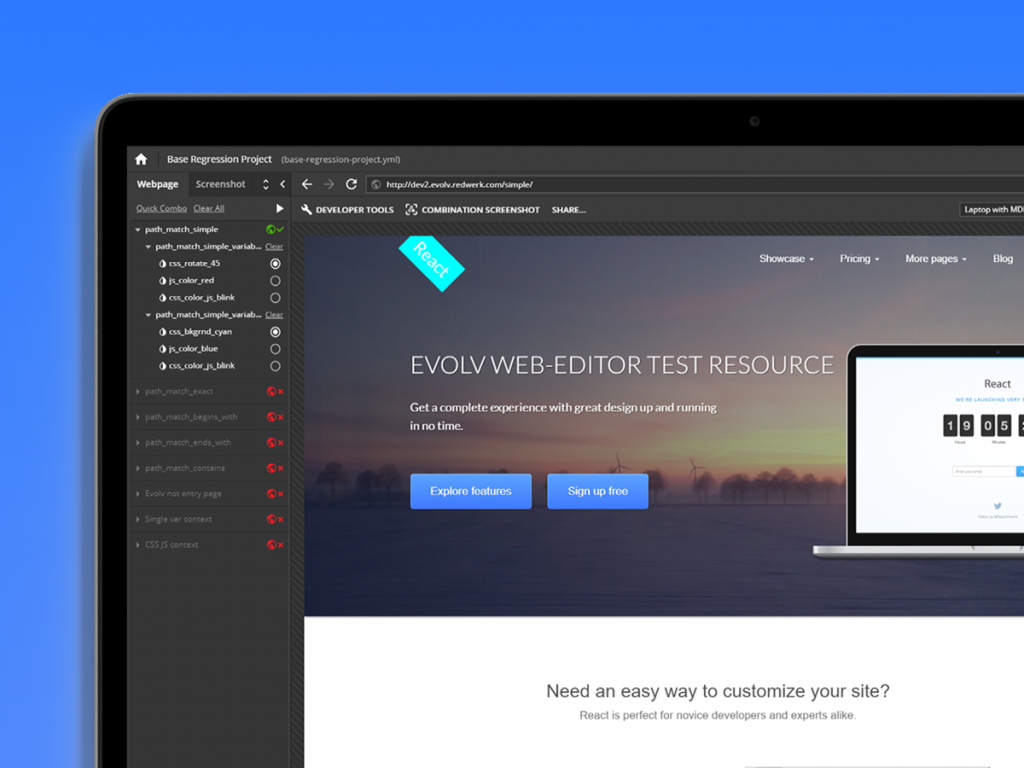
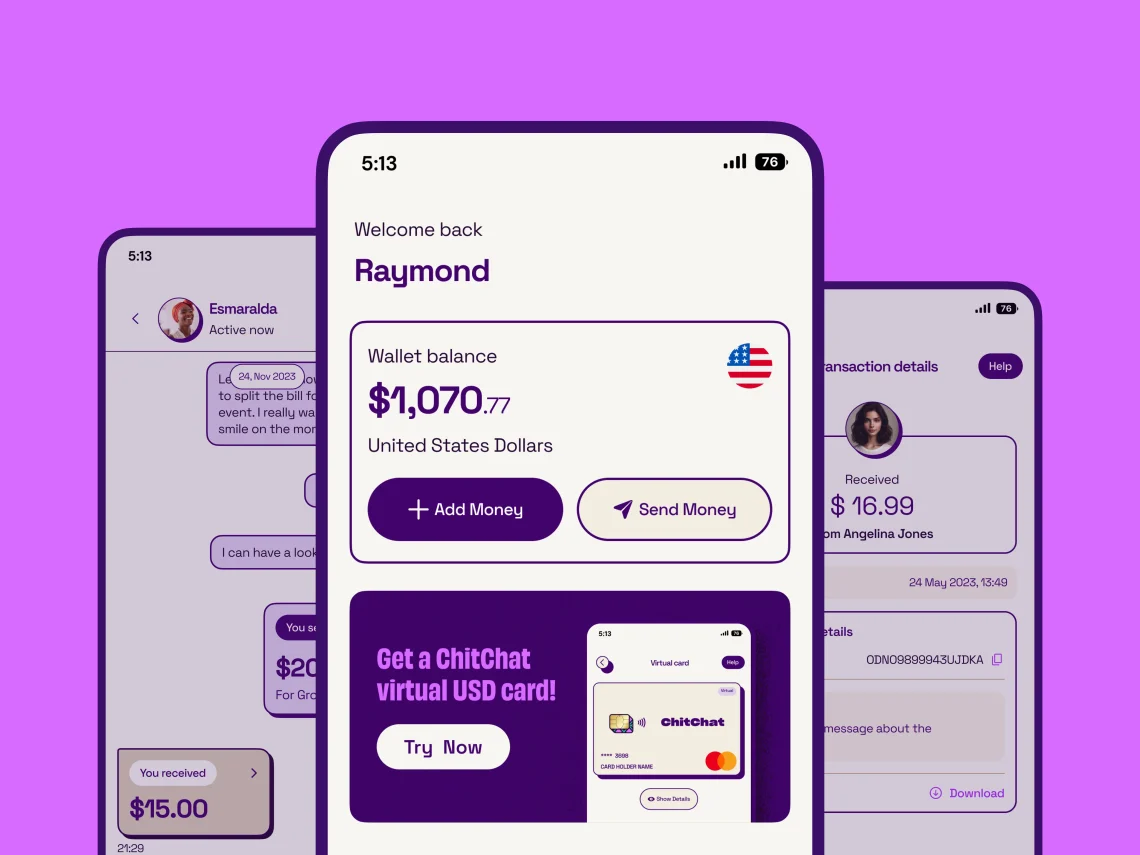
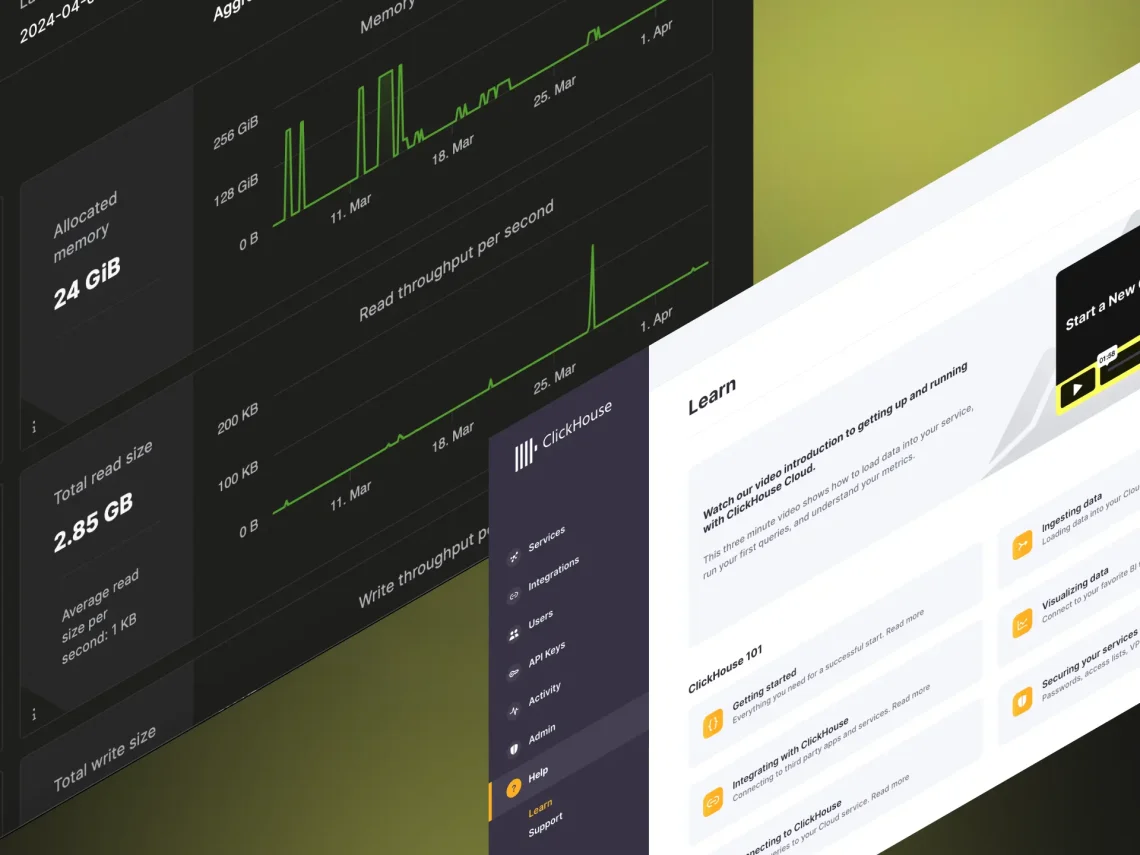
These projects show how QAwerk tests complex AI products, SaaS platforms, and security-sensitive applications. The same engineering mindset applies when validating RAG systems: test real user scenarios, verify system behavior, and fix issues before they reach production.

Sitch
Evolv
ChitChat
ClickHouse
If your AI answers matter, test your RAG first!
Contact UsWhen RAG Testing Makes a Difference
Customer Support AI
Support assistants answer thousands of questions daily. One wrong response can confuse users or overload support teams. A structured RAG assessment helps verify that answers come from the right documentation and stay consistent with your product policies.
Enterprise Knowledge Bots
Internal copilots rely on company documents, policies, and databases. If retrieval fails, employees get misleading answers. Testing ensures the RAG pipeline retrieves the right sources and uses them correctly across complex knowledge bases.
Regulated AI Systems
Finance, healthcare, and legal products must provide traceable, grounded answers. Teams rely on RAG evaluation metrics to prove responses are supported by trusted documents and meet internal quality and compliance expectations.
Public AI Assistants
AI tools exposed to customers attract curious users and sometimes attackers. Validating RAG security helps ensure the system handles prompt injections, sensitive data, and restricted content safely before deployment.
Why AI Teams Choose QAwerk
 AI Product Testing Experience
 AI Product Testing Experience
 Our QA team works daily with complex AI-driven products. We approach RAG testing like engineers, not theorists. Every RAG analysis focuses on how answers behave in real user scenarios, not just synthetic benchmarks.
Retrieval-First Approach
 Retrieval-First Approach
 Most AI teams debug prompts while the real issue sits in retrieval. We start with the foundation — RAG search quality. If the system retrieves the wrong sources, no prompt will fix the answer.
Security-Aware Testing
 Security-Aware Testing
 AI assistants often access internal documents, policies, and sensitive data. We test for prompt injection, data leaks, and unsafe responses — the risks that can quietly break RAG security in production.
Production QA Mindset
 Production QA Mindset
 We treat RAG systems like production software. Our engineers define measurable quality criteria, run repeatable tests, and deliver clear results your team can act on immediately.
Product-Team Collaboration
 Product-Team Collaboration
 We work closely with ML engineers, product leads, and CTOs. No long theory decks — just clear findings, reproducible tests, and practical recommendations your team can implement immediately.
Testing Built for Fast Releases
 Testing Built for Fast Releases
 RAG systems evolve quickly as data and prompts change. Our testing approach fits continuous delivery: structured test datasets, repeatable evaluation runs, and fast feedback loops your team can integrate into development.
QAwerk delivered super work. I’m happy with that. They did the regression testing really well. They helped improve our product, discovering problems during the whole development process.

With the help of QAwerk we’ve really managed to reduce the number of bugs in production builds to almost zero.

It wasn't like we had the QAwerk testing team and Magic Mountain team. It was one team working together. The communication was incredible from the very early stages.
Technologies for RAG Testing & Evaluation
Other Services We Provide
AI Testing
AI products require more than functional testing. We validate model behavior, response quality, edge cases, and system interactions to ensure AI-driven features work reliably in real user scenarios.

LLM Testing
Large language models can generate convincing but incorrect answers. Our QA engineers test prompts, responses, and grounding logic to detect hallucinations, broken flows, and unsafe outputs before users encounter them.
Security Testing
AI systems often process sensitive data. We identify vulnerabilities such as prompt injection, data exposure risks, and API weaknesses to ensure your product remains secure in production environments.
System Testing
Complex AI products include multiple moving parts: APIs, databases, pipelines, and interfaces. We validate how the entire system behaves together to ensure stability and predictable results in production.
Performance Testing
AI applications must handle heavy queries and large datasets. We evaluate response times, system stability, and scalability under realistic loads to ensure your product performs well as usage grows.
Dedicated QA Team
For companies building AI products continuously, a dedicated QA team provides ongoing testing, release validation, and quality monitoring, helping teams maintain stable and reliable systems as features evolve.
FAQ
How can I test my RAG pipeline?
Start by validating the two core parts separately: retrieval and generation. Testing usually includes checking whether the system retrieves the right documents, whether answers stay grounded in those sources, and whether responses remain accurate under real user queries. A structured RAG testing framework helps automate these checks and repeat them as the system evolves.
What are the main RAG system evaluation methods?
Common RAG system evaluation methods measure retrieval quality and answer accuracy. Teams typically analyze metrics such as precision, recall, grounding, and relevance while also reviewing responses manually. Combining automated metrics with human review gives the most reliable results.
How do you evaluate RAG performance in production?
To evaluate RAG performance, teams run realistic queries against the system and measure retrieval accuracy, response grounding, latency, and consistency. Monitoring these metrics over time helps detect quality drops when documents, prompts, or models change.
What are the most common problems in RAG systems?
Many issues originate in retrieval rather than generation. Systems may pull irrelevant documents, miss important context, or combine conflicting sources. Without structured testing, these problems often remain hidden until users start asking unexpected questions.
How often should RAG systems be tested?
RAG systems should be tested whenever key components change, for example when new documents are added, embeddings are updated, or prompts are modified. Continuous evaluation ensures the system keeps delivering reliable answers as the knowledge base evolves.
Related in Blog
AI Agent Evaluation: Metrics That Actually Matter
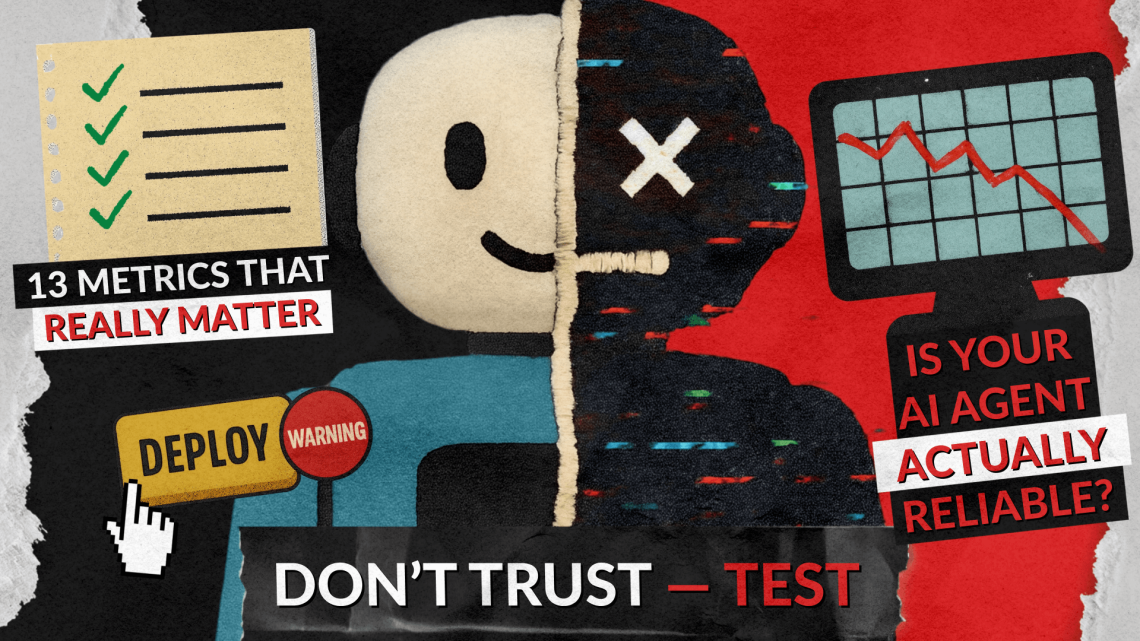
The AI agent industry is rapidly evolving, but the real impact of these agents (and how much we can trust them) depends on a thorough evaluation. Let’s start by exploring an AI agent definition: software systems that use artificial intelligence to autonomously perform tasks and...
Read More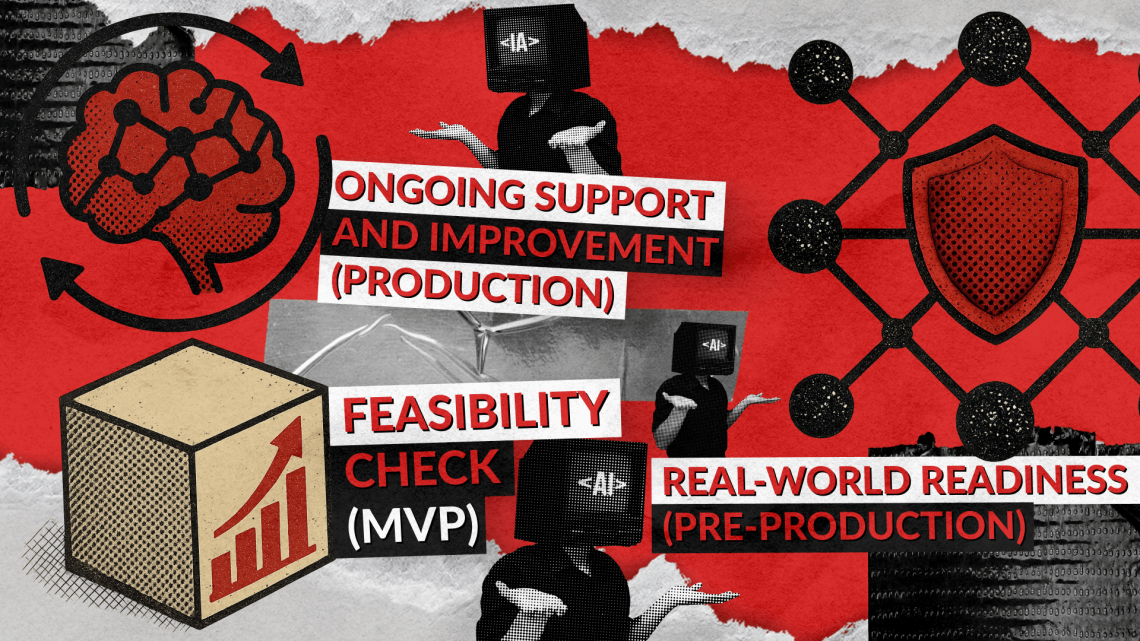
From MVP to Maturity: QA Strategies for Testing AI Models at Every Stage
Developing custom AI models or integrating existing ones into digital products is an exciting journey, but it's also fraught with unique challenges. Unlike traditional software, AI models learn and evolve, making their behavior less predictable and their testing more complex....
Read More
Testing AI Search & Recommenders: How to Avoid Confusing or Frustrating Buyers
Testing AI search and recommenders is critical to delivering a seamless user experience that engages rather than annoys buyers. Poorly configured AI search engines and ineffective AI recommender systems can frustrate users with irrelevant results, confusing navigation, or overly ...
Read More
Inside a Successful Penetration Test: Team, Process, Results
Founders run penetration tests because surprises in production cost real money. A good penetration test lets you see your product the way an attacker would, without the chaos of an actual breach. It pressures your system with the same discipline used in serious QA: controlled con...
Read MoreValidate Your RAG Before Production
We pressure-test your RAG pipeline with real scenarios to ensure answers hold up when your AI goes live.
300+
PROJECTSTESTED
20+
YEARS OFSOFTWARE TESTING
30+
SENIOR QA ENGINEERS100%
DEADLINESMET