
- November 5, 2026
- 12 min read
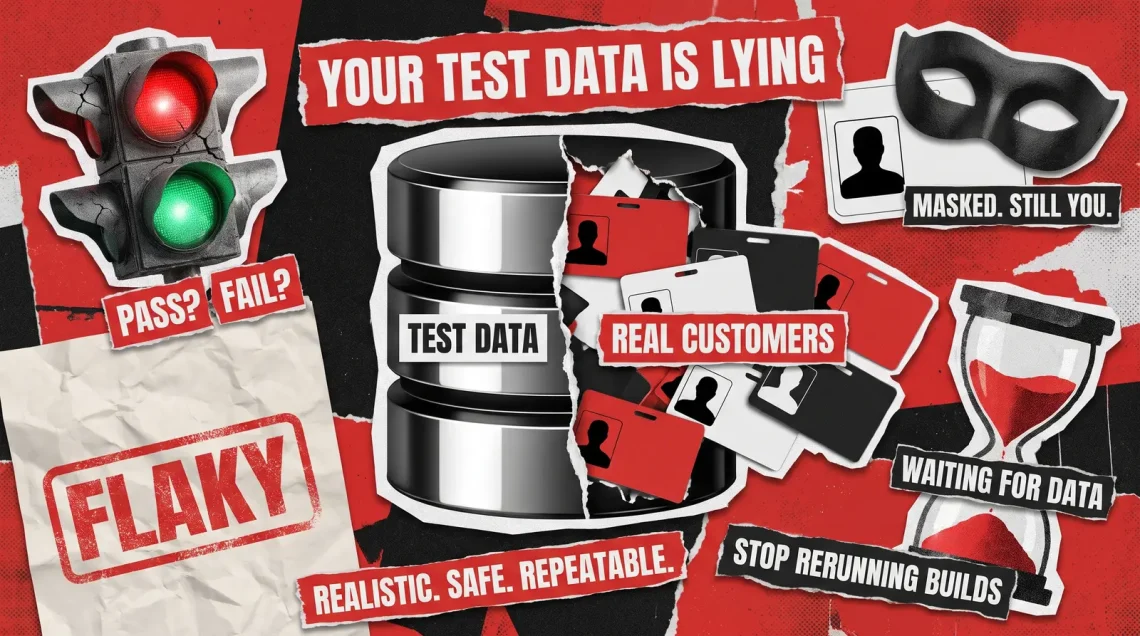
When tests fail because the data shifted underneath them, or a release waits days for a refreshed database, the team is paying for weak test data management. In the Perforce Delphix 2026 test data management report, 99% of enterprises wait longer than one business day for a fresh full production copy of their test data, and 42% wait weeks or months.
- November 4, 2026
- 11 min read
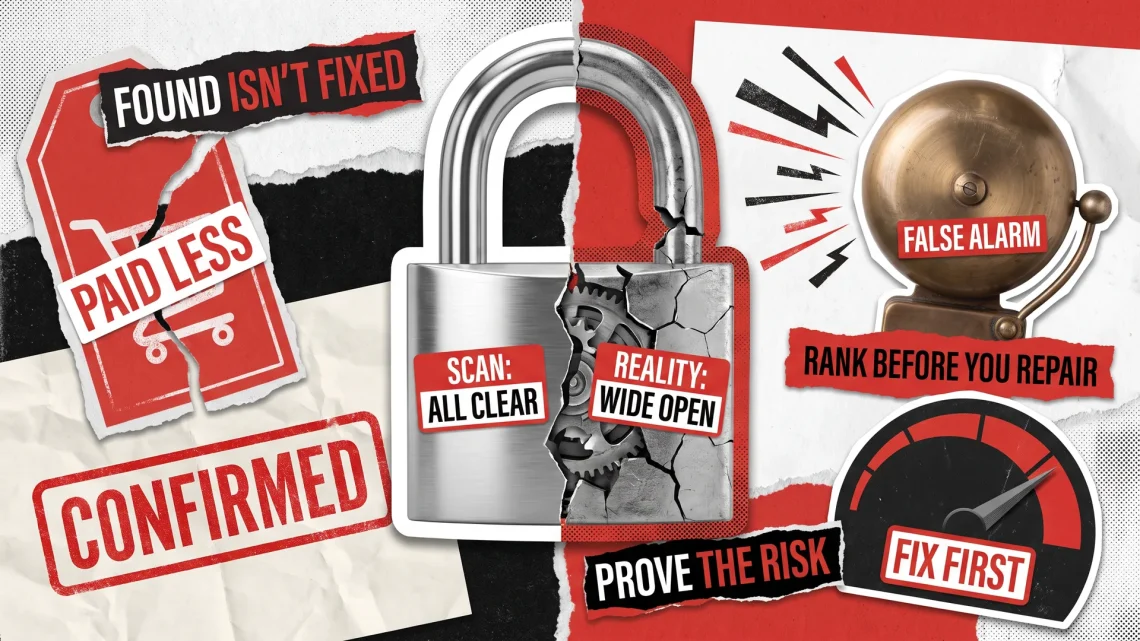
Vulnerability assessment, risk assessment, and penetration testing answer different questions. Learn the process and where it fits into QA.
- November 3, 2026
- 23 min read
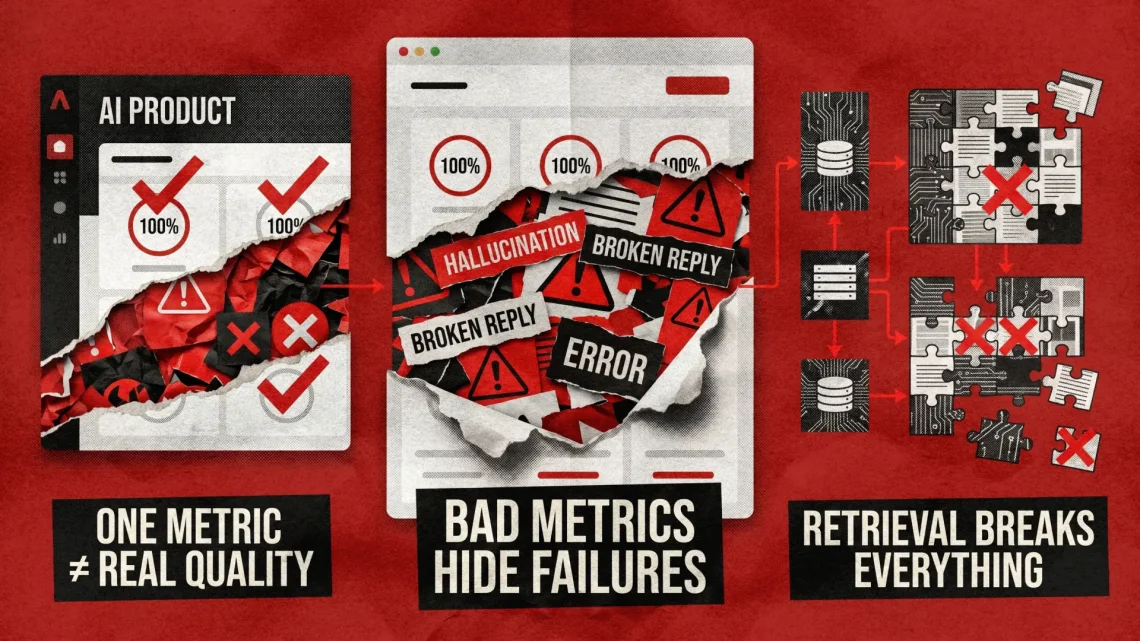
Shipping an LLM without a proper evaluation strategy is a gamble most teams don’t realize they’re taking. 67% of organizations worldwide now run LLMs in production, but the majority still rely on LLM evaluation metrics designed for 2018-era machine translation or skip structured evaluation altogether. The result is predictable: hallucinations that make headlines, chatbots that give illegal advice, and model updates that silently break things no one notices until users start leaving.
- November 2, 2026
- 9 min read
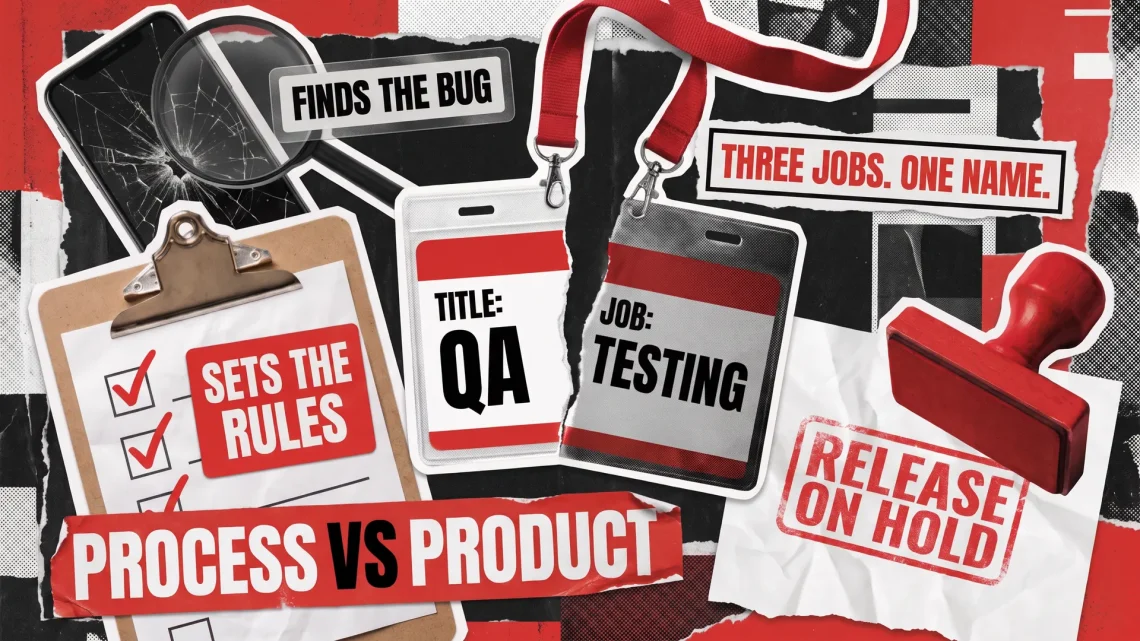
Quality testing software means three jobs: QA, QC, and testing. See how the ISTQB defines each, how they fit together, and what to hire for.
- October 27, 2026
- 13 min read
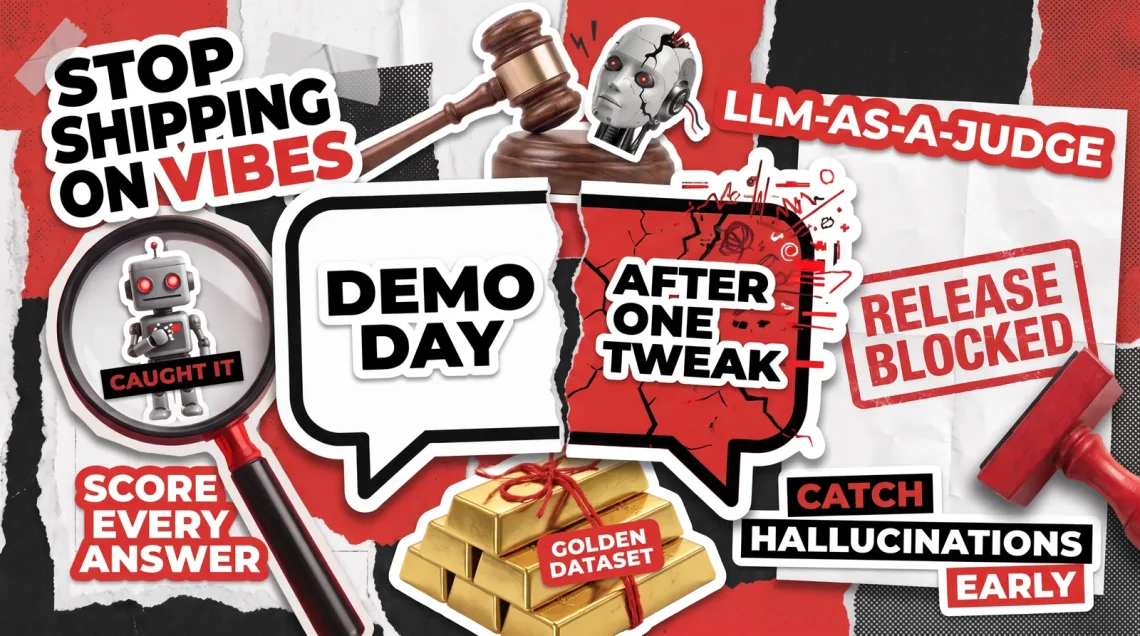
If your team changes a prompt, swaps a model, or re-chunks a knowledge base, someone has to decide whether that change can ship. Without an LLM evaluation framework, that decision rests on a few manual spot checks and the opinion of whoever looked at the outputs last, which holds up for a demo and breaks at the first model upgrade.
- October 21, 2026
- 9 min read
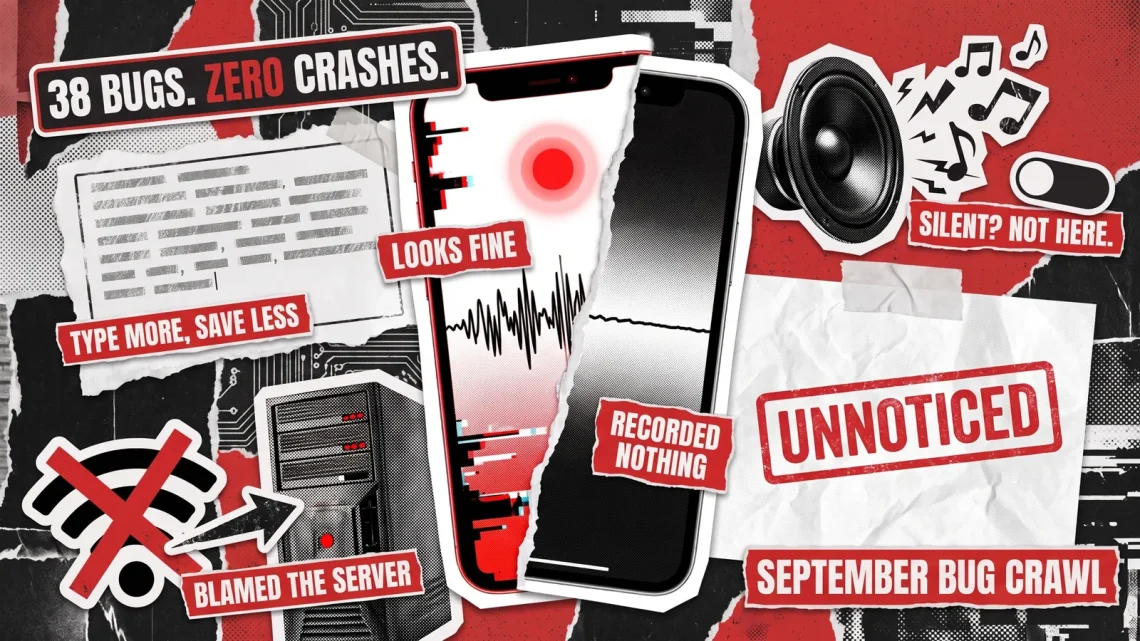
Software bugs examples from six apps we tested in September: a recording with a silent gap, a game that ignored Silent mode, and four more.
- October 21, 2026
- 10 min read
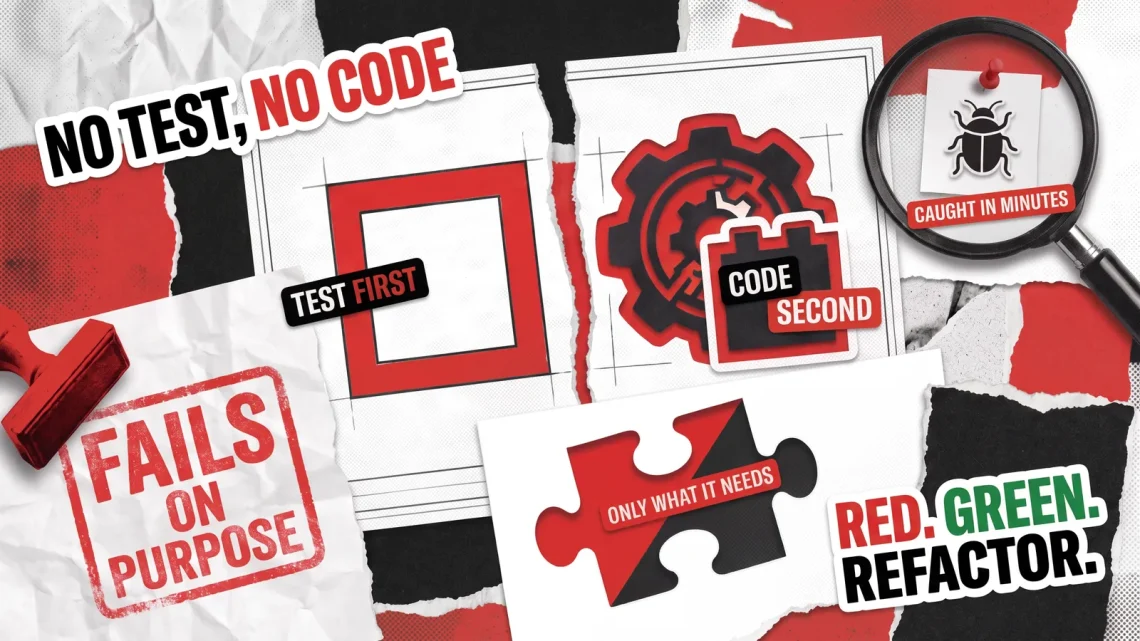
Test-driven development (TDD) means writing the test first. See the red-green-refactor cycle, how it fits shift-left testing, and where QA comes in.
- October 21, 2026
- 9 min read
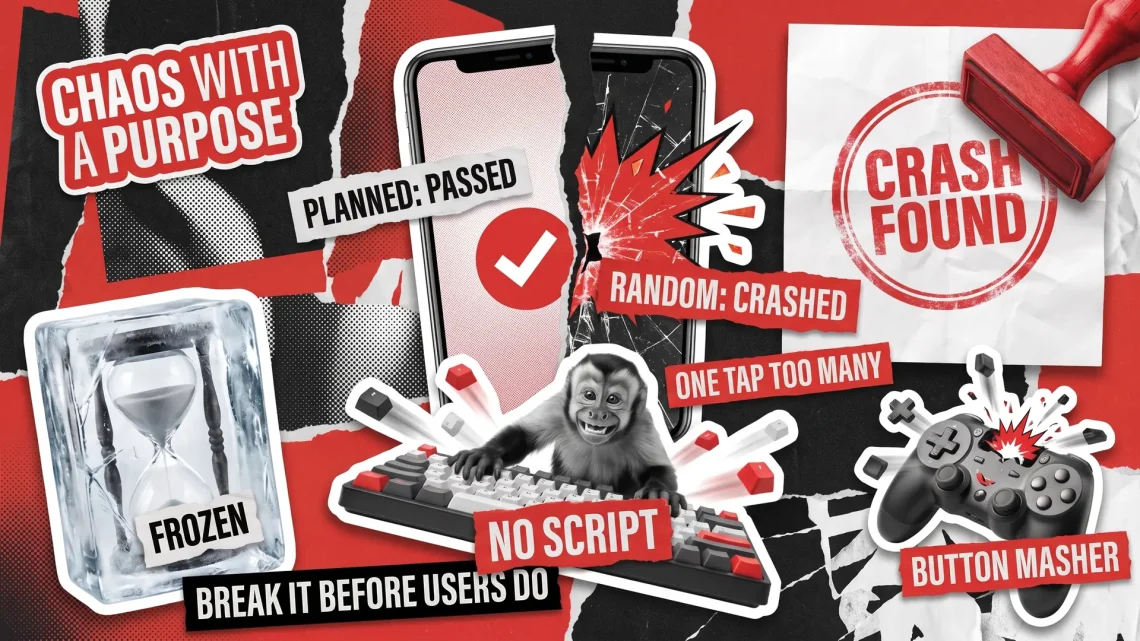
Monkey testing throws random taps and keystrokes at your app to find crashes. See how it differs from exploratory testing and when it's worth running.
- October 19, 2026
- 6 min read
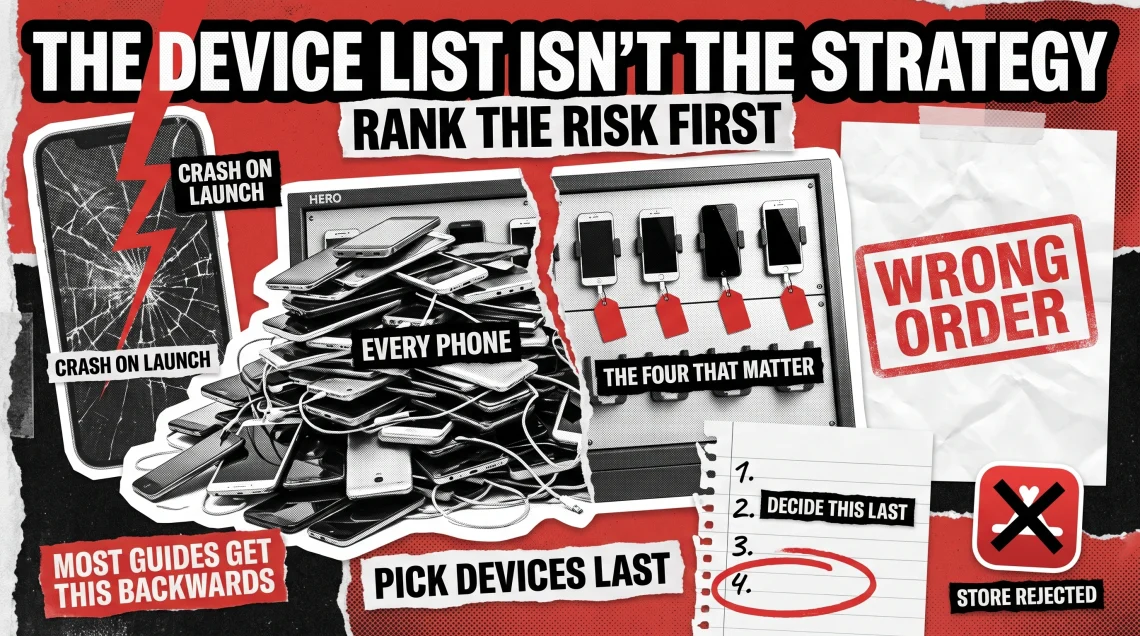
A mobile testing strategy isn't a device list. Here's the 4-decision order that decides what to test first, and a document skeleton you can fill today.
- October 19, 2026
- 9 min read
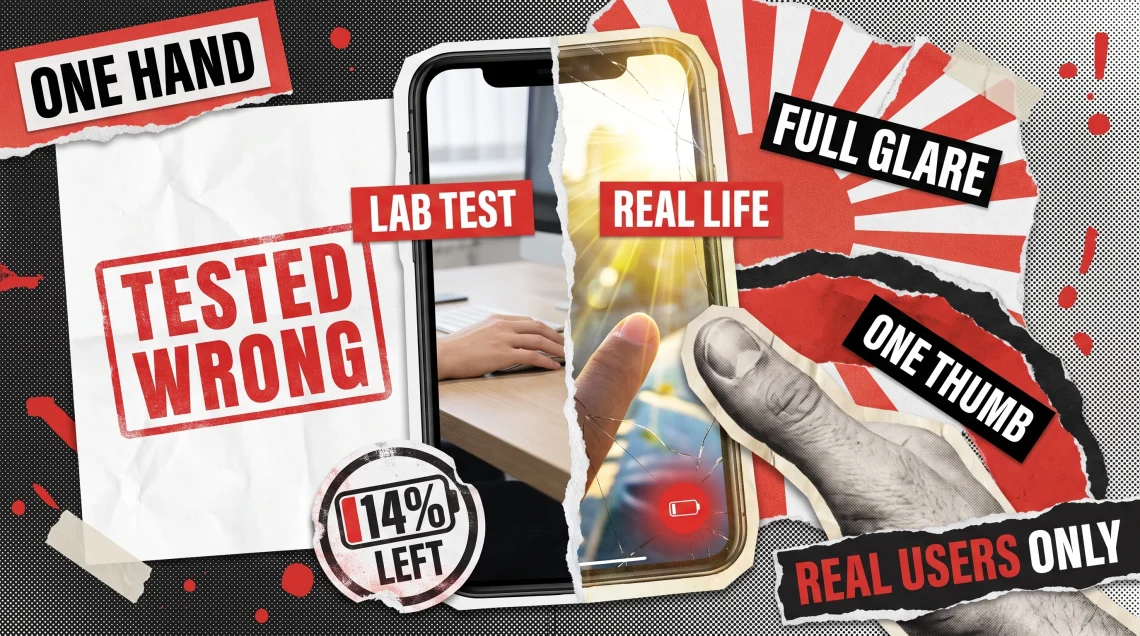
Desktop usability tests miss glare, one thumb, and a dying battery. Here's how to run mobile app usability testing that catches what actually breaks flow.