

- October 14, 2026
- 9 min read
SIT testing checks that your separate systems work as one before UAT starts. Learn how it differs from integration testing and UAT, and when you need it.

- October 13, 2026
- 9 min read
Test coverage percentage is the easiest automation number to put on a slide, and one of the least useful on its own. A suite with 90% coverage that runs for an hour and fails at random tells you less than a smaller suite your team believes on every merge. The cost of misreading it is paid in engineer hours: every unexplained red build means someone reruns the pipeline, reads the logs, and decides whether to trust the result.

- October 6, 2026
- 9 min read
Sanity testing is a quick check that a bug fix works and broke nothing nearby. See what it covers, how it compares with smoke testing, and when to run it.

- October 6, 2026
- 8 min read
Shift left means starting tests early, ideally before any code is written. See the four ways to do it, with examples from real QAwerk client projects.
- September 30, 2026
- 10 min read
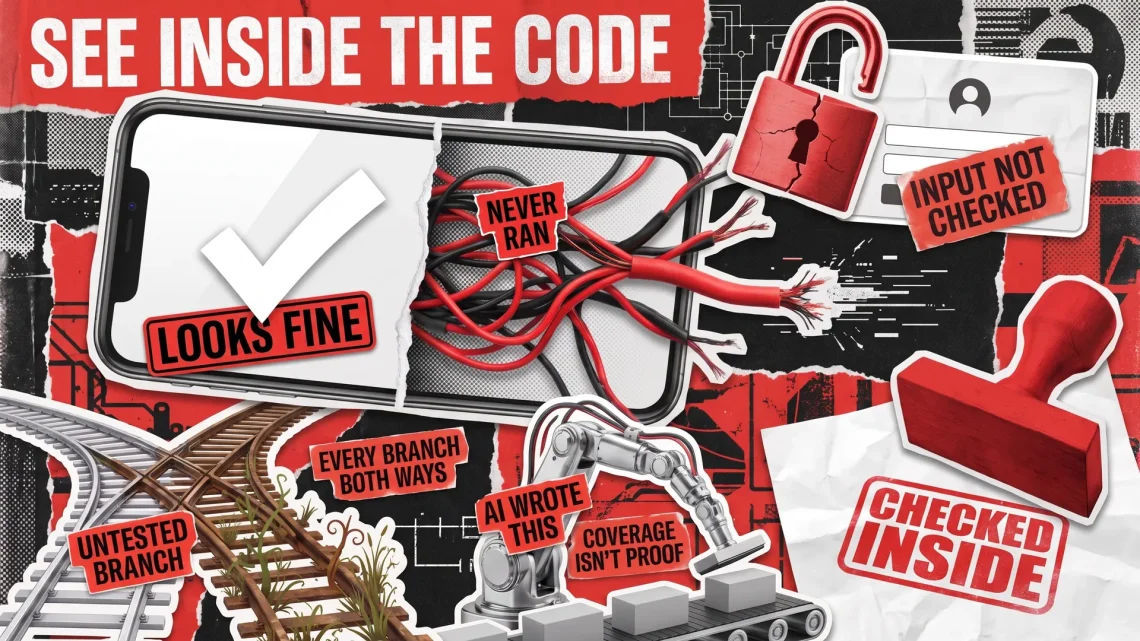
White box testing checks the logic inside your code, not just its outputs. See the core techniques and when they matter more than black box testing.

- September 30, 2026
- 10 min read
Learn how to test website on iPhone three ways: a real device with Safari Web Inspector, the iOS Simulator, and cloud devices, plus a bug-class scorecard.

- September 28, 2026
- 7 min read
A test plan defines what gets tested, how, and by when. Learn what a complete plan covers, what you contribute, and how QAwerk handles the rest.

- September 28, 2026
- 9 min read
Load testing shows whether your app can handle a crowd. Learn what it measures, where it ends and stress testing begins, and what one real test caught.

- September 25, 2026
- 9 min read
Website compatibility testing framed around conversion rate: use GA4 to find the browsers costing you sales, then test the pages that decide revenue.

- September 25, 2026
- 8 min read
Software testing objectives go well beyond finding bugs: shipping confidence, risk reduction, requirements validation. See what testing actually delivers.