
- September 14, 2026
- 10 min read
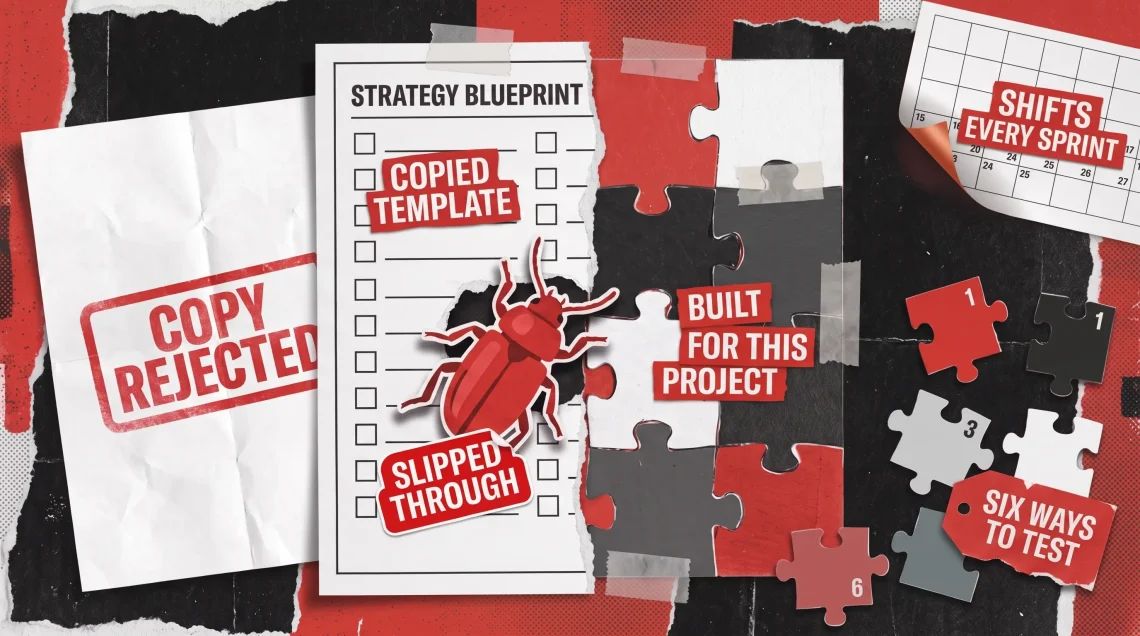
Compare the six main testing strategies and choose the right mix for your project, based on risk, compliance, and release speed, not a generic test plan.
- September 14, 2026
- 10 min read
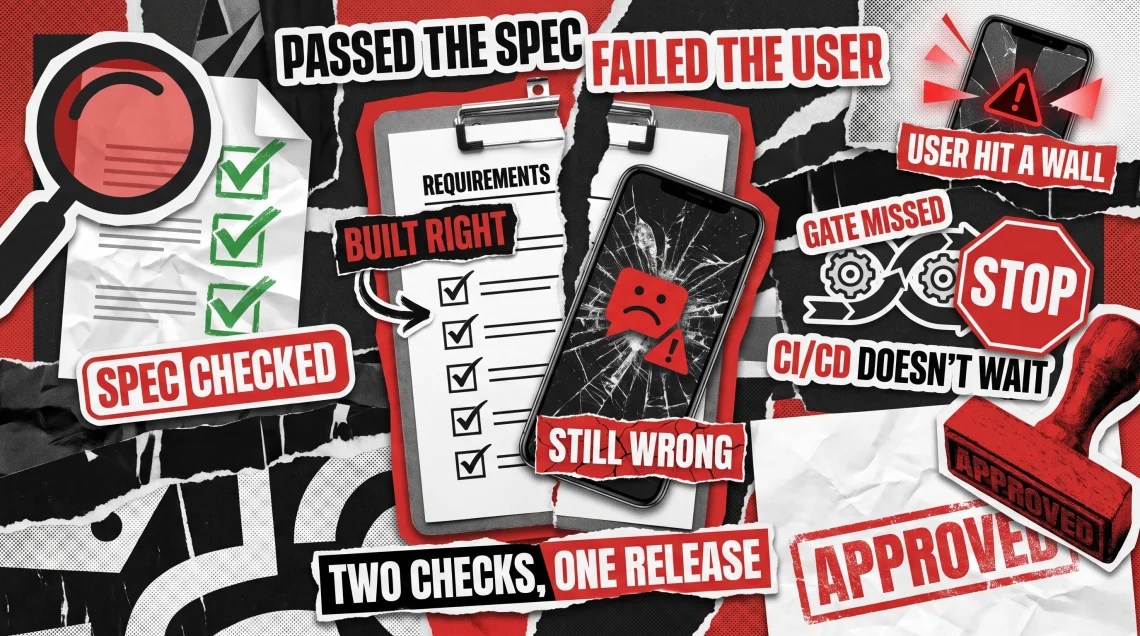
Learn the difference between verification and validation in software testing, with real techniques, CI/CD placement, and QAwerk's approach.
- September 7, 2026
- 8 min read
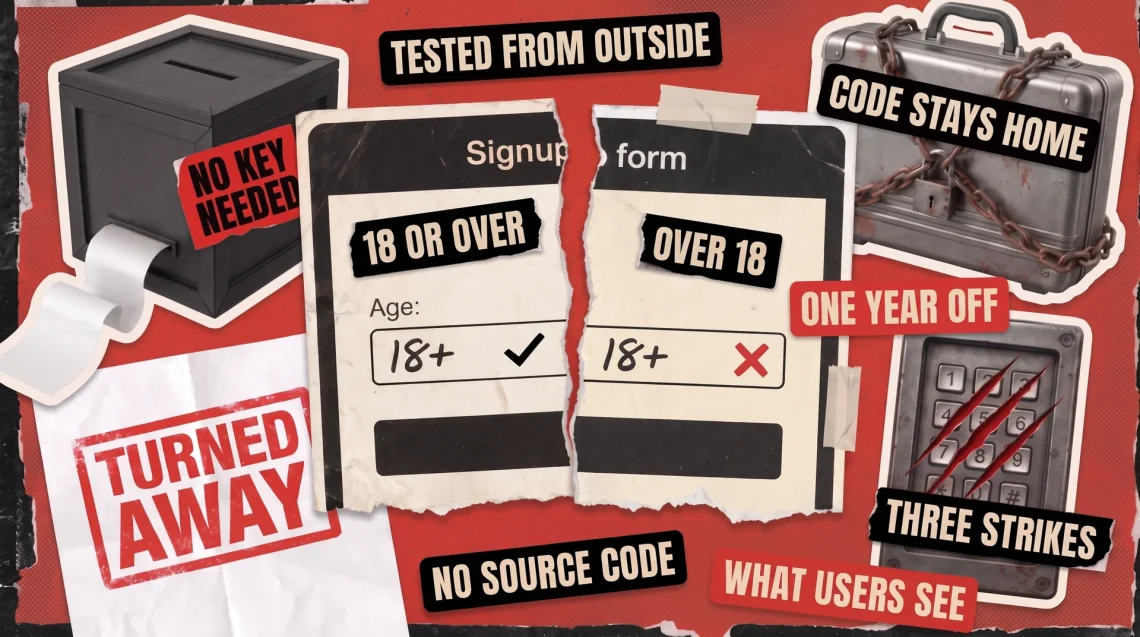
Black box testing techniques explained: equivalence partitioning, boundary value analysis, and when this approach beats white box testing.
- August 25, 2026
- 10 min read
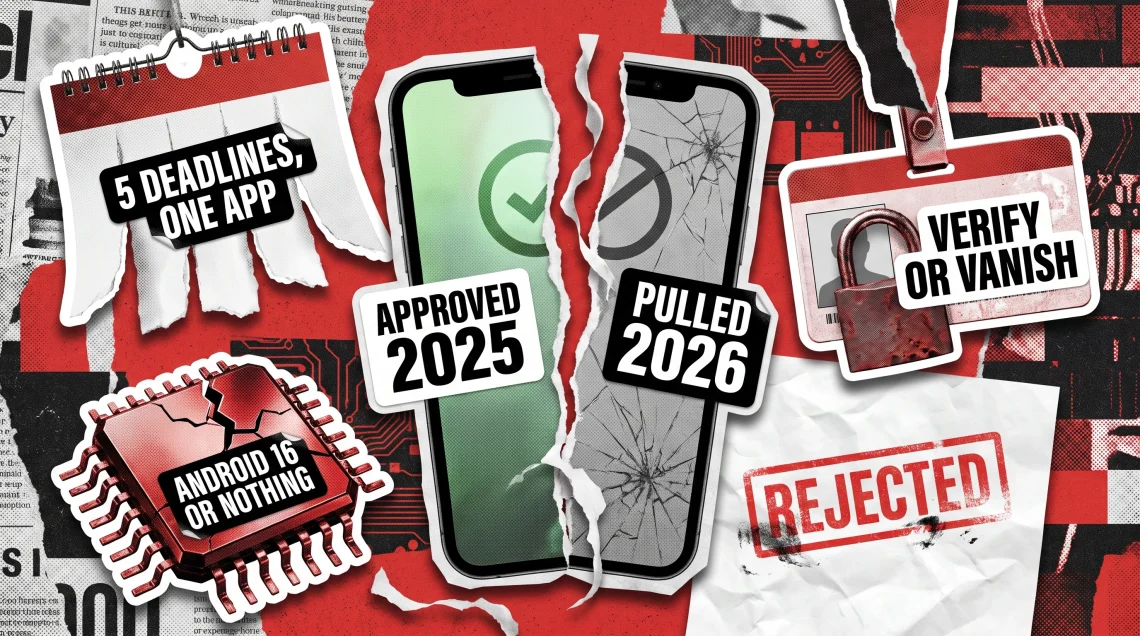
Google Play app rejected in 2026? Five dated policy waves and a live-catalog re-scan changed what gets flagged. Every notice decoded, and the lane that catches it.

- July 22, 2026
- 10 min read
Soak testing has a credibility problem. Teams run it, get a clean report, ship the build, and then watch a memory leak surface in production three days later. The run was not broken. It measured what it was configured to measure. The trouble is that most soak configurations answer a narrower question than engineers think they do, which is why passing runs and leaking production keep coexisting.

- July 22, 2026
- 10 min read
Have you been in a situation where shipping one small change overnight left a customer unable to reach the checkout the next morning? The edit looked harmless, yet it quietly broke a feature nobody had touched in months. That gap between ‘we changed one thing’ and ‘something unrelated failed’ is the exact problem software regression testing exists to solve.

- July 22, 2026
- 9 min read
Every QA lead has watched the same movie. A team decides to automate everything, celebrates the coverage numbers for a quarter, then spends the next year drowning in flaky tests and rewriting scripts every sprint. The suite that was supposed to save time is now the reason releases slip, developers merge around a red pipeline, and the CFO starts asking why the QA line item keeps growing while shipping velocity does not.

- July 21, 2026
- 9 min read
A player straps on a headset, takes three steps into your beautifully crafted world, and immediately rips it off because their stomach just turned. That moment won’t show up in a crash log, but it instantly costs you the sale, the review, and the player's trust. In virtual reality (VR), the line between a five-star masterpiece and an immediate refund comes down to milliseconds: the time it takes for a frame to arrive and for movement to feel right in the human body, not just on a monitor.

- July 21, 2026
- 9 min read
Your team already runs negative tests. Invalid emails get rejected. Blank required fields throw the right error. Boundary values are covered for every numeric input. And yet the support inbox still fills up with things nobody wrote a case for: two identical orders placed 400ms apart from a double-click, an analytics pipeline that dies on an emoji in a display name, a uniqueness check that treats john@acme.com and the same address with an invisible trailing space as two different accounts.

- July 21, 2026
- 10 min read
Unity powers some of the biggest titles on the planet, and it ships them to phones, consoles, browsers, and desktops from a single project. That reach is exactly what makes Unity game testing tricky, because one build has to survive iPhone, Android, console, and desktop, and each of those targets breaks in its own way.