
- October 19, 2026
- 9 min read
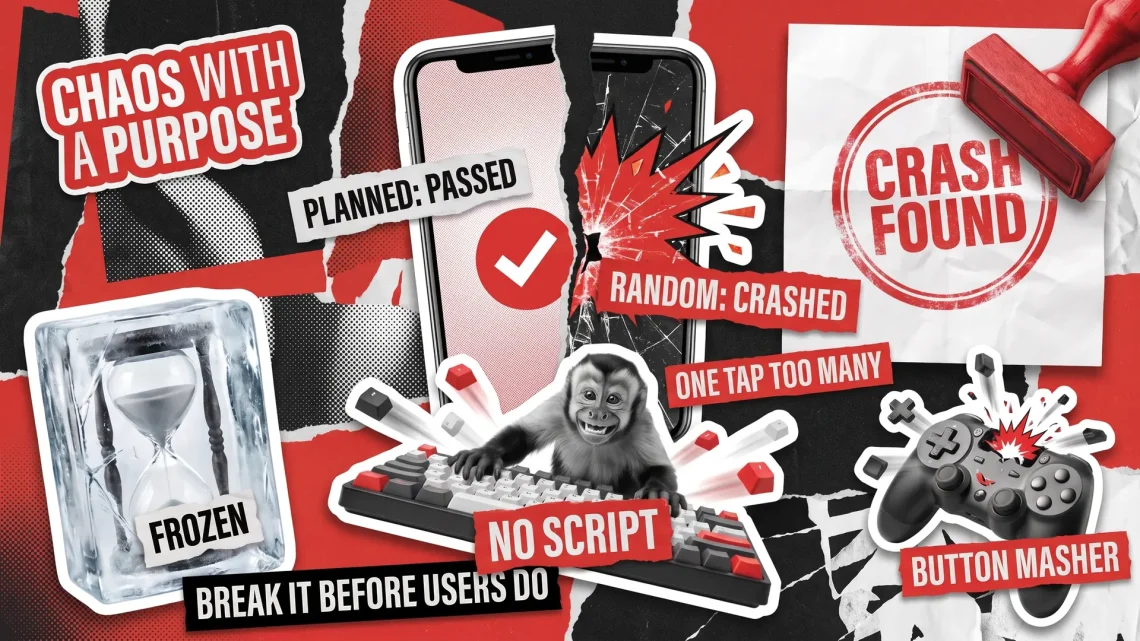
Monkey testing throws random taps and keystrokes at your app to find crashes. See how it differs from exploratory testing and when it's worth running.
- October 19, 2026
- 6 min read
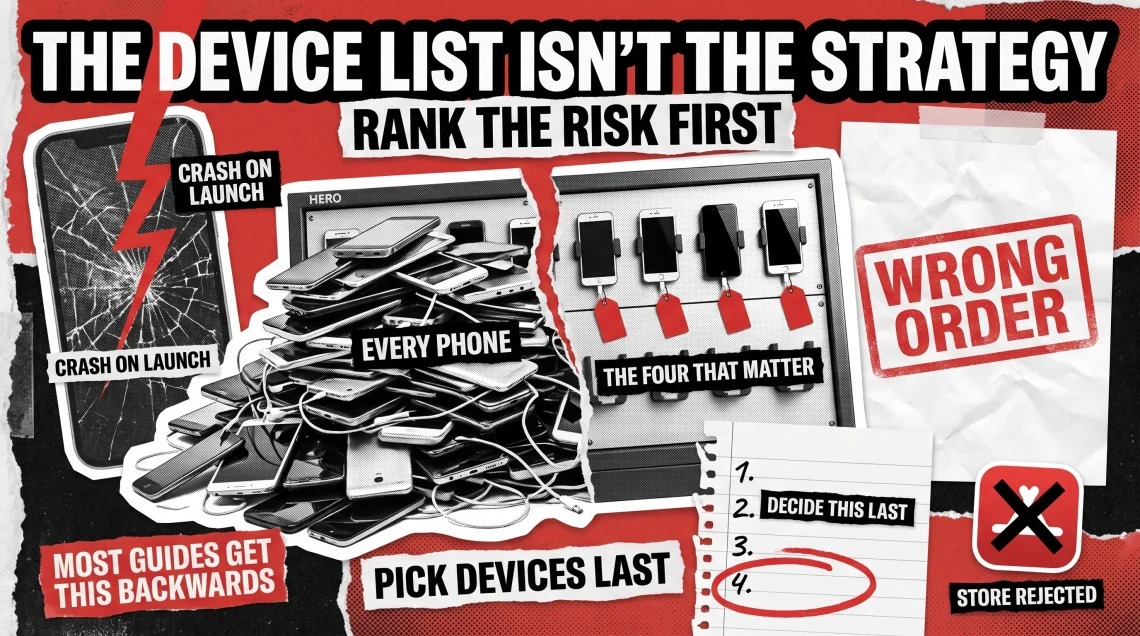
A mobile testing strategy isn't a device list. Here's the 4-decision order that decides what to test first, and a document skeleton you can fill today.
- October 19, 2026
- 9 min read
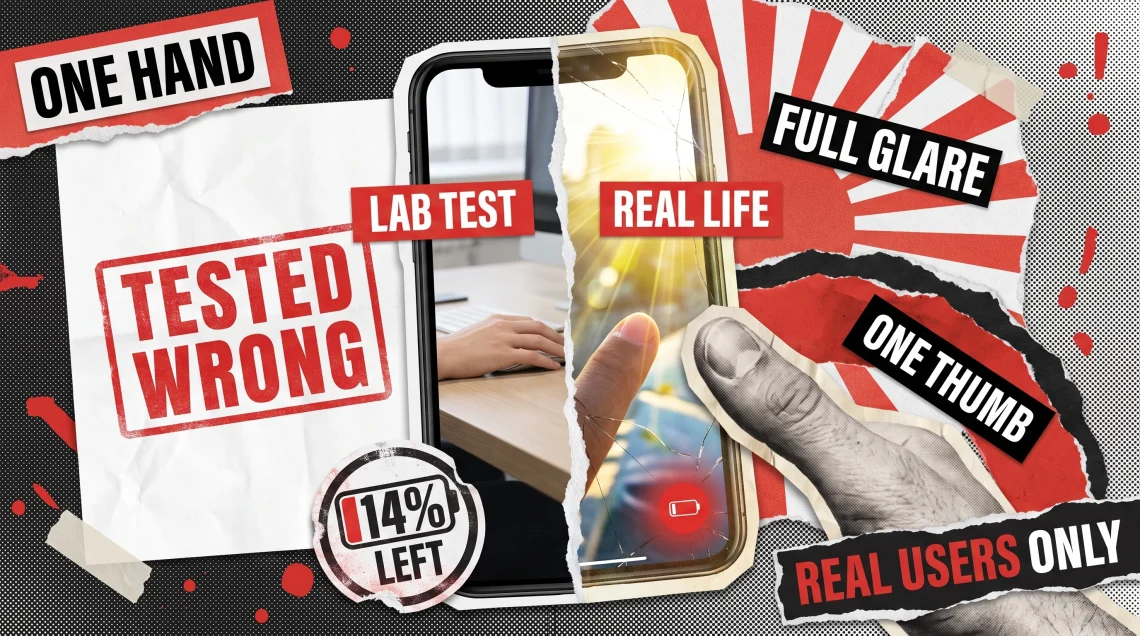
Desktop usability tests miss glare, one thumb, and a dying battery. Here's how to run mobile app usability testing that catches what actually breaks flow.
- October 15, 2026
- 8 min read
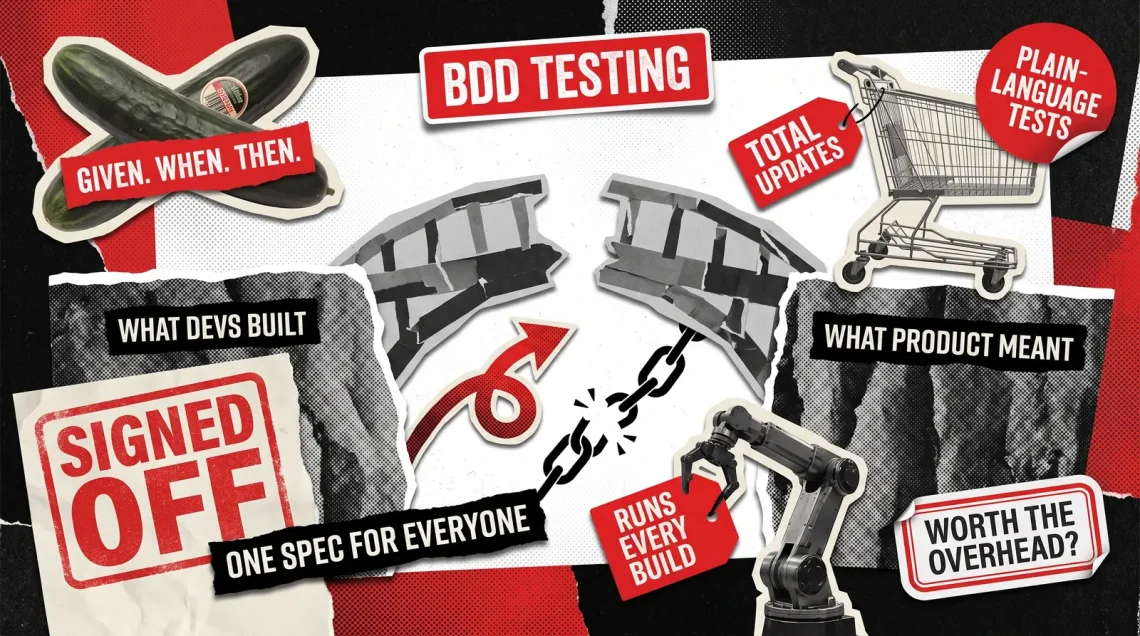
BDD testing writes scenarios in plain Given/When/Then language that developers, QA, and stakeholders all read. Here's how it works and when it pays off.
- October 15, 2026
- 7 min read
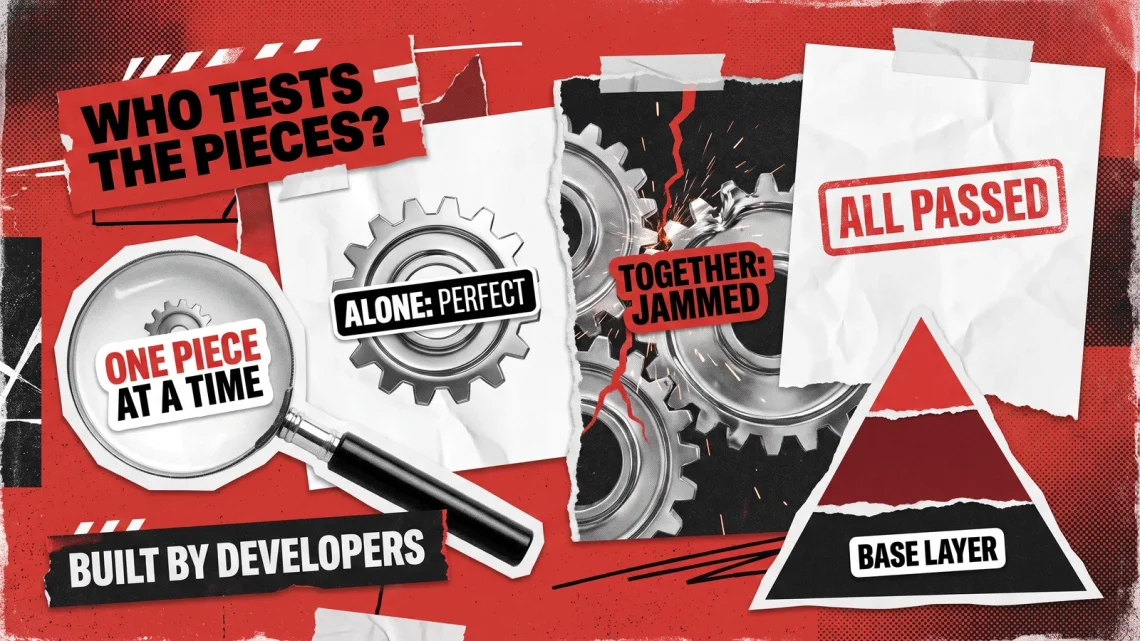
Unit testing checks the smallest parts of your code in isolation. See what it involves, who writes the tests, and how QA builds on top of them.
- October 15, 2026
- 8 min read
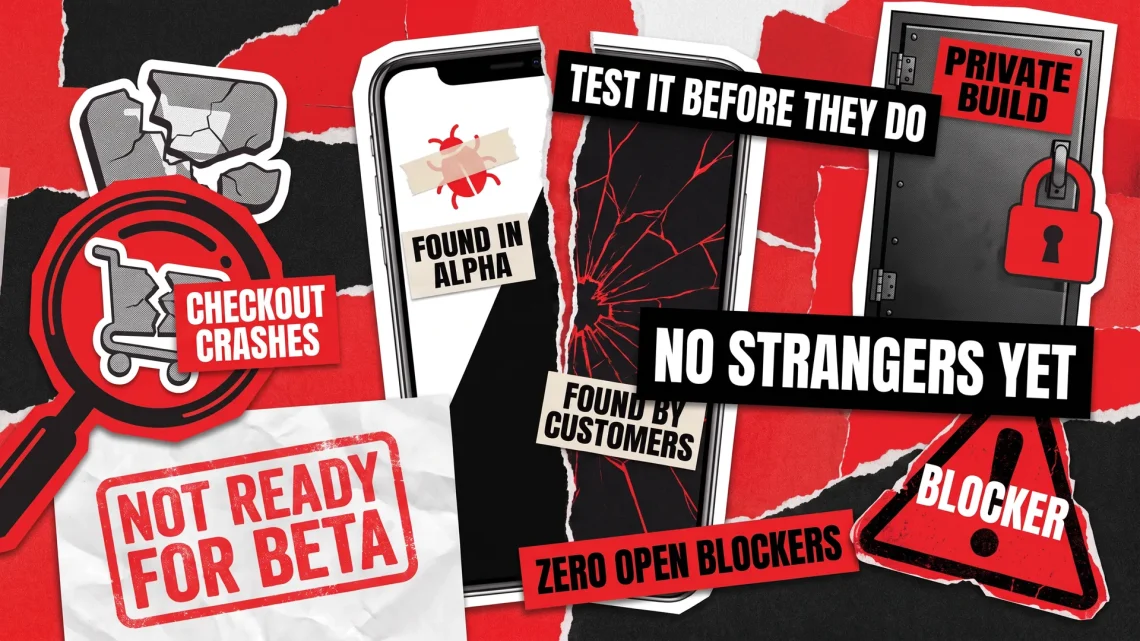
Alpha testing is a private round of checks on nearly finished software, before any customer sees it. See who runs it, what it catches, and how.
- October 14, 2026
- 9 min read
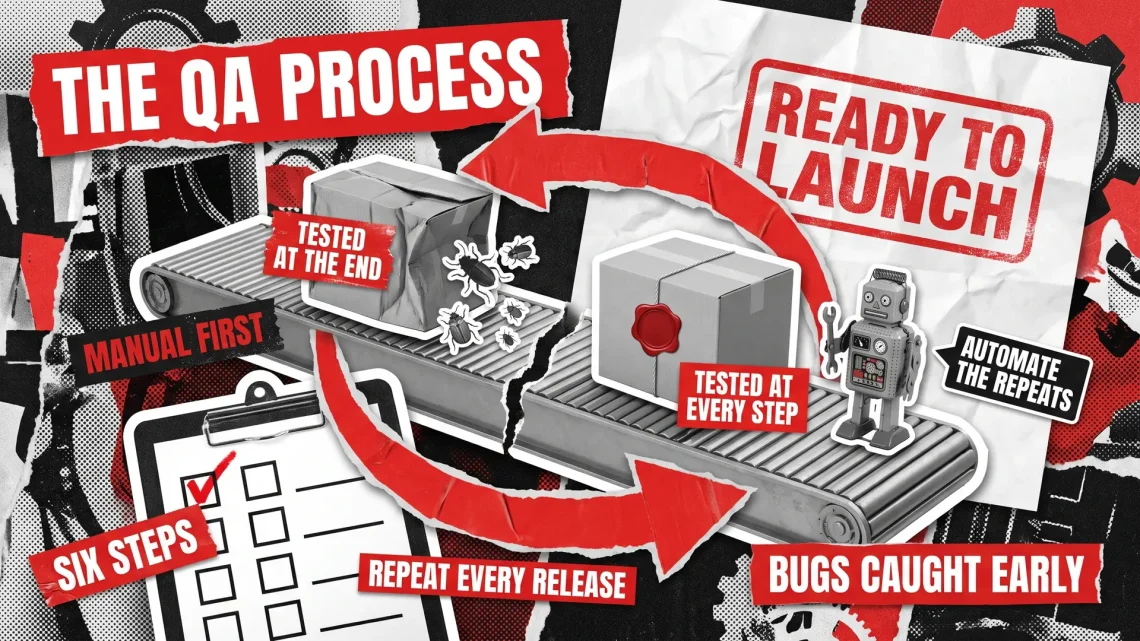
The QA process runs from requirements to release sign-off. See what happens at each step, when automation starts, and what your QA team hands you.
- October 14, 2026
- 9 min read
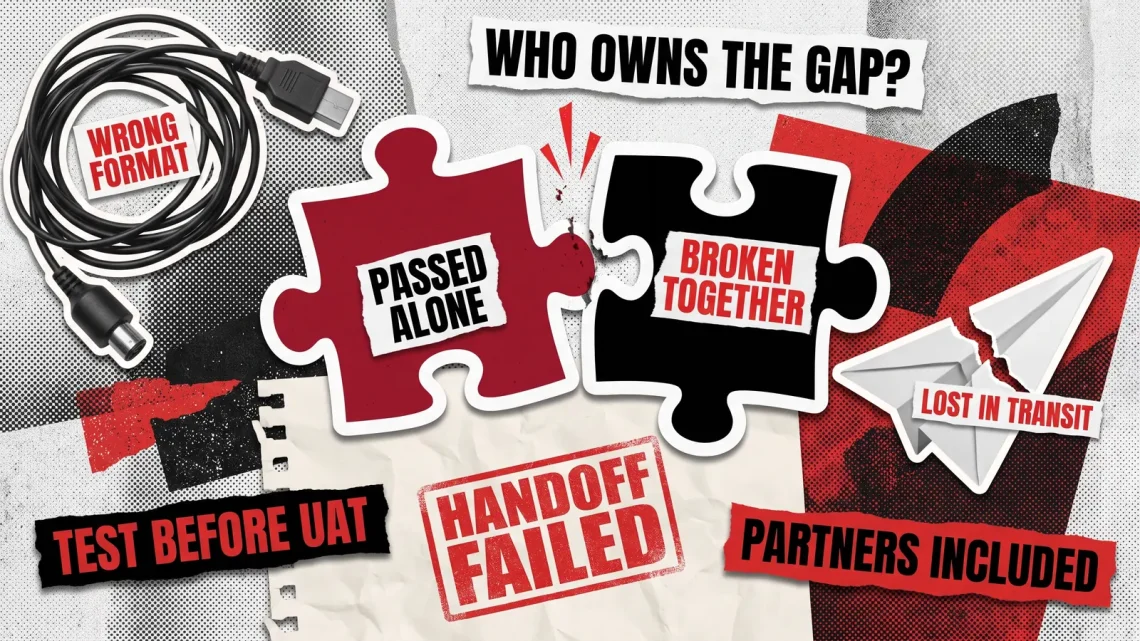
SIT testing checks that your separate systems work as one before UAT starts. Learn how it differs from integration testing and UAT, and when you need it.
- October 13, 2026
- 9 min read
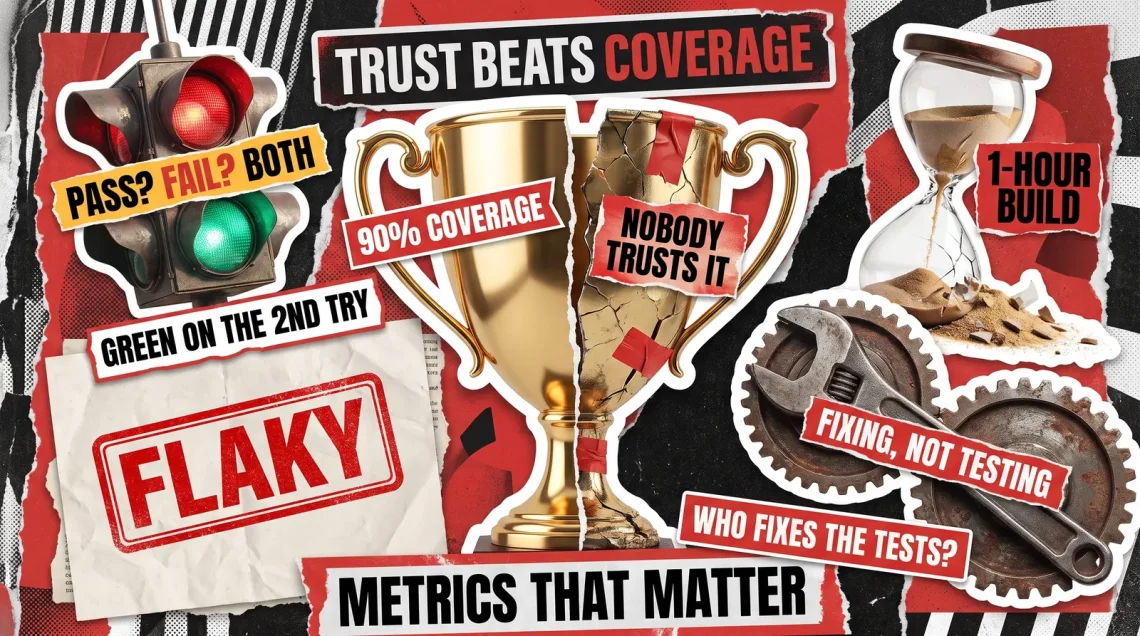
Test coverage percentage is the easiest automation number to put on a slide, and one of the least useful on its own. A suite with 90% coverage that runs for an hour and fails at random tells you less than a smaller suite your team believes on every merge. The cost of misreading it is paid in engineer hours: every unexplained red build means someone reruns the pipeline, reads the logs, and decides whether to trust the result.
- October 6, 2026
- 9 min read
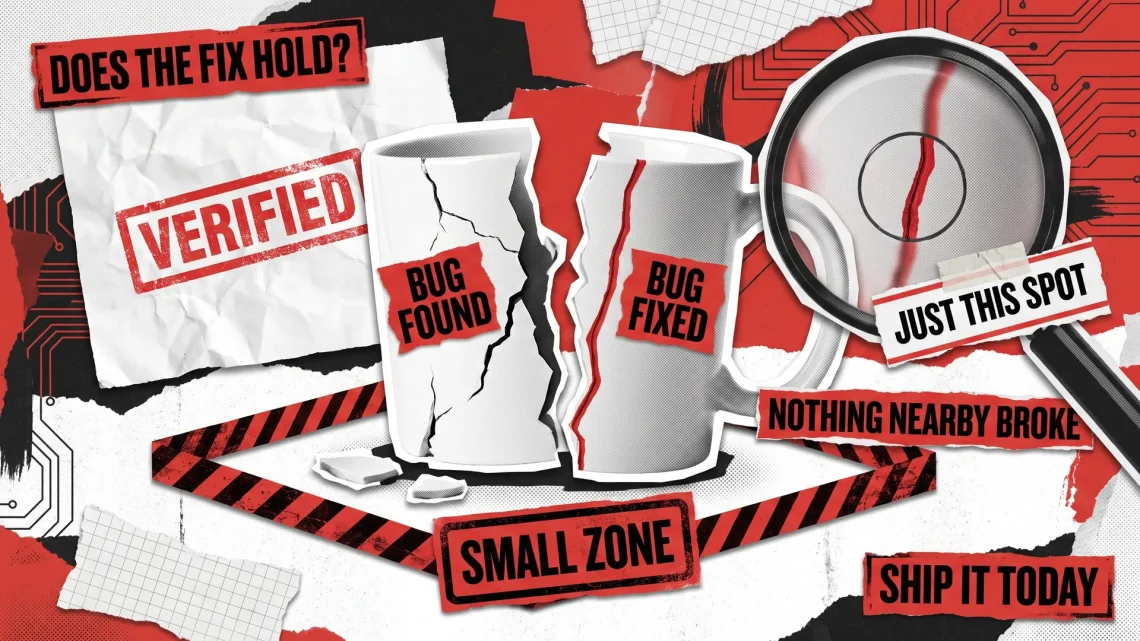
Sanity testing is a quick check that a bug fix works and broke nothing nearby. See what it covers, how it compares with smoke testing, and when to run it.