
- July 20, 2026
- 10 min read
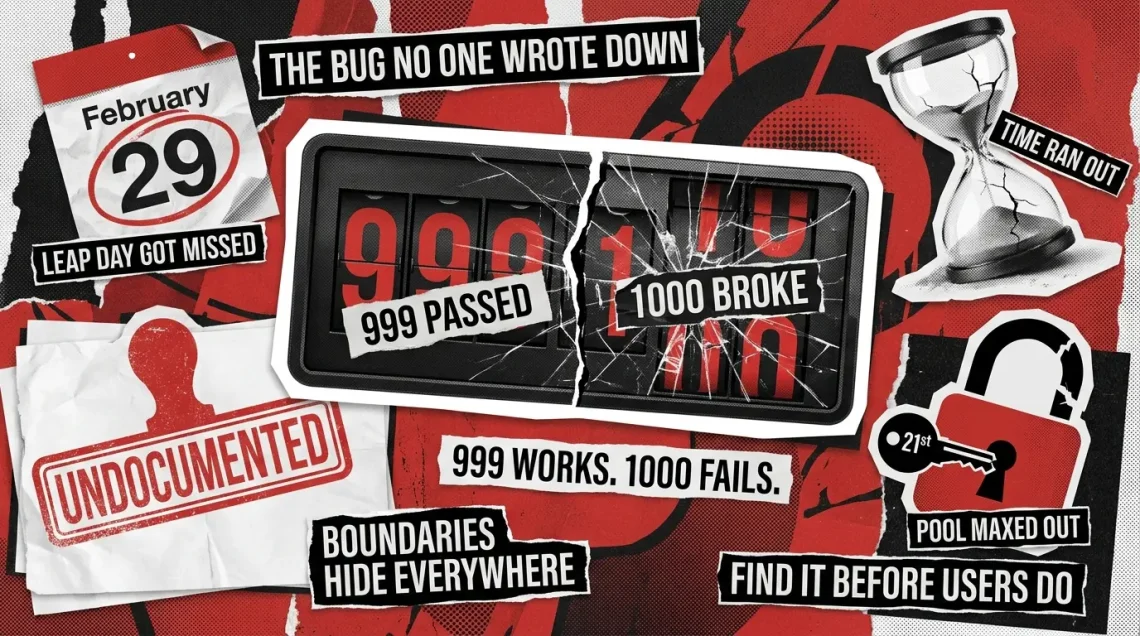
A team deploys a nightly export that runs clean on 999 users in staging and times out at exactly 1,000 in production. Nobody typed “1,000” in the spec. There's no form to validate, no age range to check. The boundary is real, and the test suite never touched it.

- July 17, 2026
- 8 min read
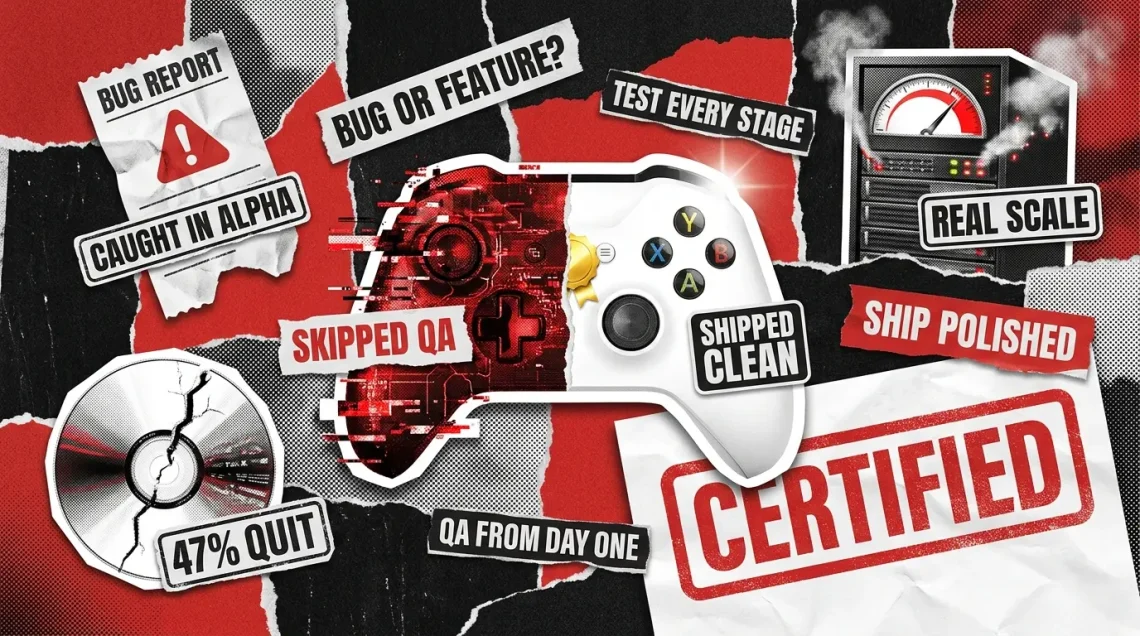
You have spent months polishing your game mechanics and finalizing your artwork, only for the title to crash on launch day for players using specific GPUs or mobile screens. The game was never broken. It just never met the hardware your players actually use.
- July 17, 2026
- 16 min read
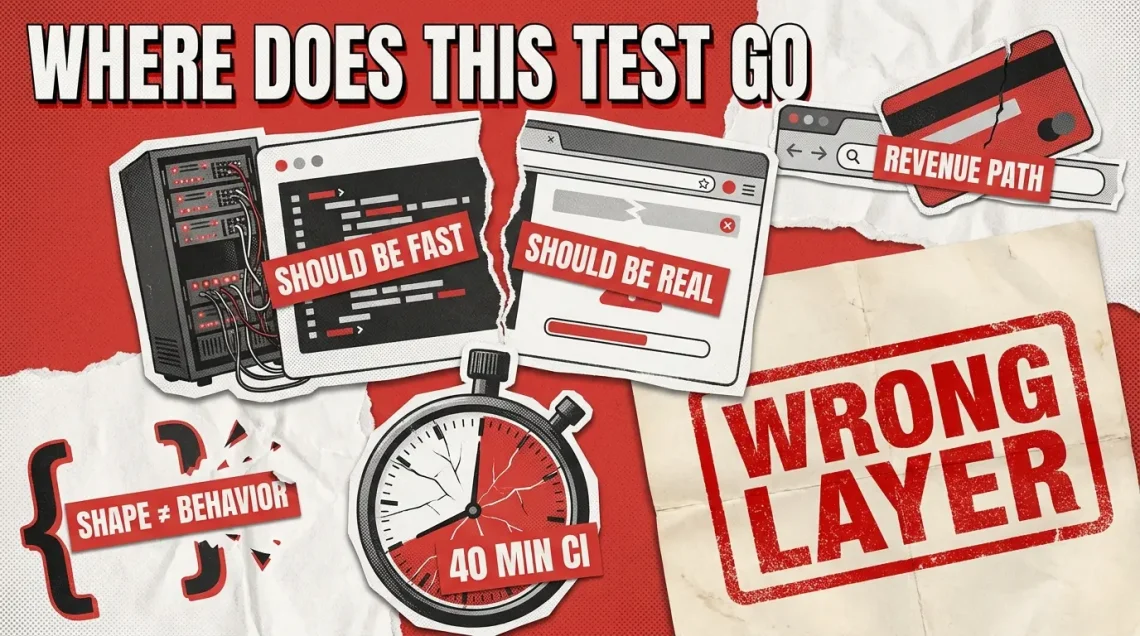
End-to-end testing verifies that a real user can complete a real workflow through the actual interface, with real services connected. Integration testing verifies that two or more components communicate correctly through their interfaces. Both are part of a healthy functional testing strategy, and each catches a category of bug the other can't.

- July 15, 2026
- 10 min read
Game functionality testing is the invisible shield between your masterpiece and a tidal wave of one-star reviews. Your game can look stunning, boast breathtaking ray tracing, and run at a silky 120 FPS, but if a core mechanic misfires, a save file corrupts, or a pivotal quest line refuses to close, it’s quietly broken.

- July 15, 2026
- 9 min read
Your German users see a “Submit” button truncated to “Einre…”. Your Arabic checkout flips half-mirrored, with the price aligned to the wrong edge. Your Japanese signup form rejects every name longer than ten characters. And every single string in your translation memory is correct
- July 15, 2026
- 8 min read
Game revenue is growing again, but player attention is not. Newzoo’s 2026 PC & Console Gaming Report shows PC and console software revenue reached $88.3 billion in 2025 and is forecast to hit $103.7 billion by 2028, ending the post-2020 plateau.
- July 15, 2026
- 12 min read
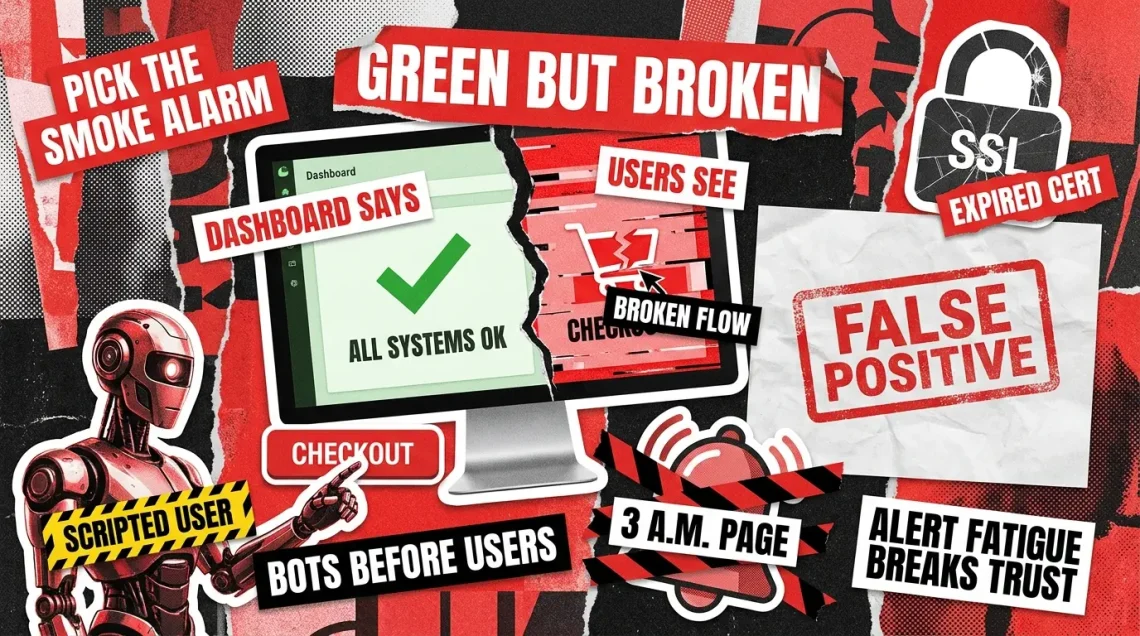
A single broken checkout flow that no one notices until 9 a.m. is the difference between a quiet morning and a panicked Slack channel. Uptime Institute's 2025 Annual Outage Analysis reports that IT and networking issues now account for 23% of impactful outages, a number that keeps climbing as architectures get more distributed. That gap between "something broke" and "someone noticed" is exactly what synthetic monitoring tools are built to close.
- July 14, 2026
- 16 min read
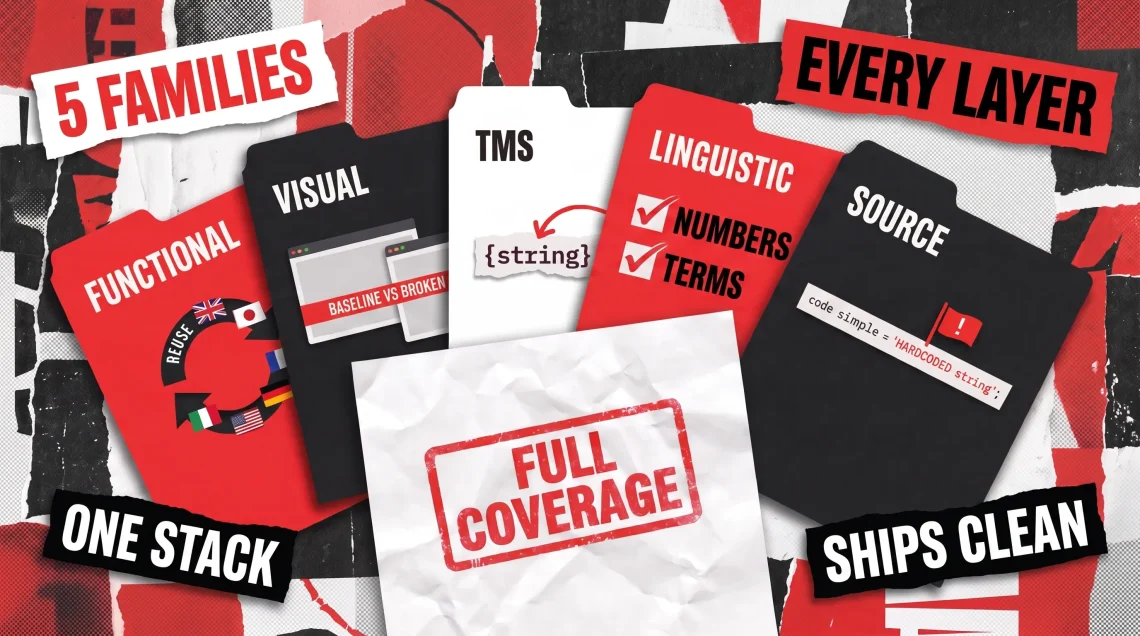
Can’t decide which localization testing tool would actually keep your business from hitting bottlenecks and shipping embarrassing bugs to production? We’re not surprised. The number of products marketed as localization testing tools is enormous, and telling the ones that compete from the ones that complement each other is harder than it should be. The software localization market was worth roughly $4.9 billion in 2024 and is growing about 12.4% a year, so the noise only gets louder every quarter.
- July 14, 2026
- 11 min read
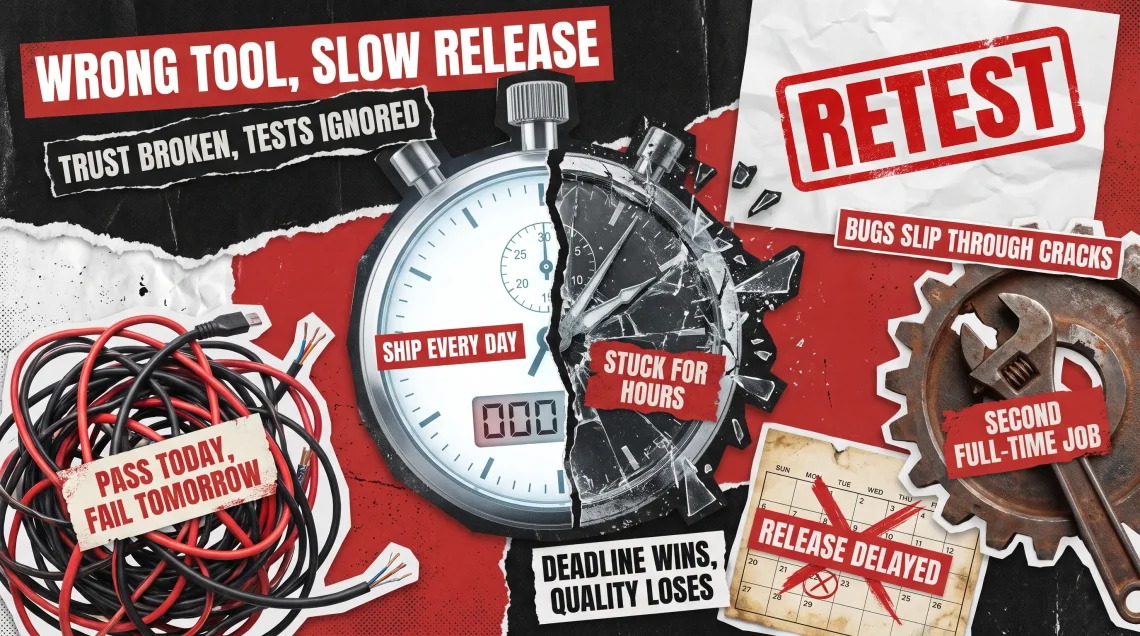
Your test suite was supposed to speed up releases, but somehow it became the reason your team now dreads release day. So you’re doomed to rerun failures by hand and brace for whether the next deploy will hold. When tests become the bottleneck, every QA lead eventually asks the same question: is it us or the tool?
- July 13, 2026
- 8 min read
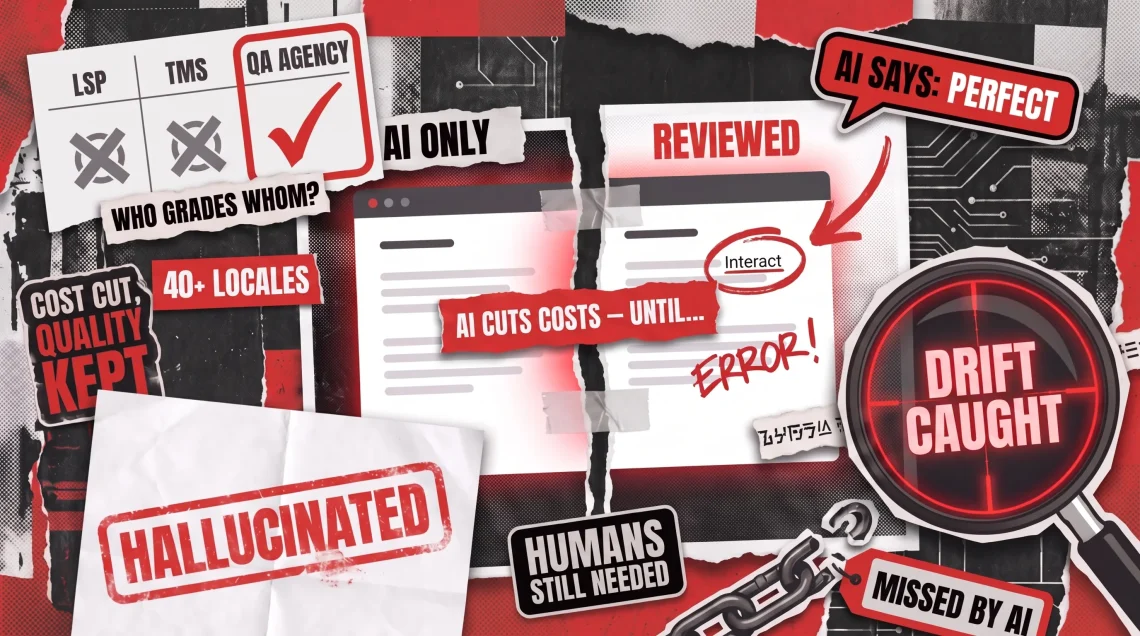
Localization QA has always been a labor-intensive process. Every new locale multiplies the strings, screens, and edge cases your team must verify, and the budget grows with them. AI localization tooling promises to break that equation, and the promise is real, but only in specific parts of the workflow.